For most, going to the range is a fun activity to do on the weekends. Who doesn’t love hearing steel ring shot after shot? The thing is most of us also consider these firearms for personal protection. But are we really ready for such a task? Well, have you ever run a drill at the range before? If the answer to that is no, you may want to consider your own reliability rather than how many shots your gun can run without a malfunction.
In this blog we are going to explain some of our favorite starter and seasoned drills to help you feel more confident with your firearms in the real world.
Cadence Drill
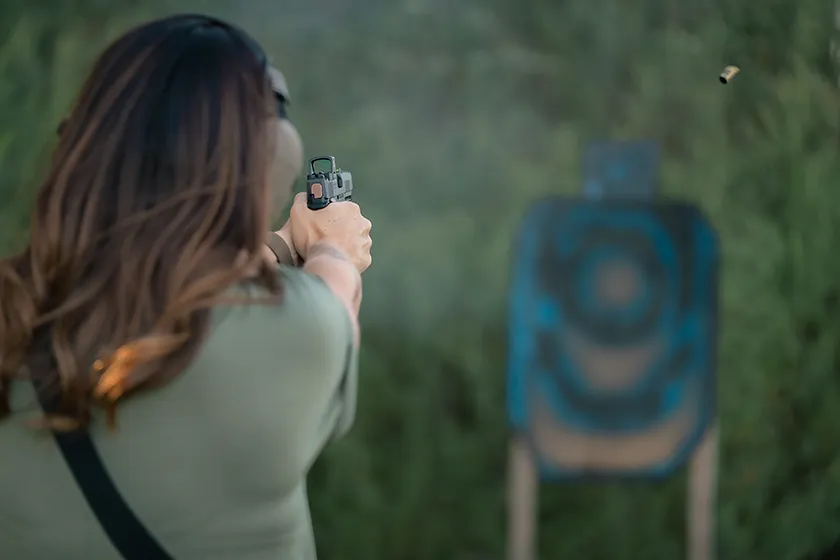
The cadence drill is designed to teach shooters how to fire multiple accurate shots in a controlled rhythm instead of treating every round like a slow, separate action or a mag dump. To run the drill, shooters typically use a smaller target around one to two inches in size and fire repeated shots at a consistent pace while trying to keep every round inside the target area. The goal is not simply to shoot fast, but to find the balance between speed and control while maintaining accountability for every shot.
This drill aims to improve recoil management, grip consistency, sight tracking, and trigger control. Many shooters can shoot accurately when taking their time, but once the pace increases, flaws in technique begin to appear. The cadence drill teaches shooters how to control the firearm through recoil and naturally return the sights back onto target without overcorrecting or rushing the trigger press. It also helps shooters understand how quickly they can realistically shoot while still staying accurate.
One of the biggest things this drill exposes is weakness in grip pressure and recoil control. If the firearm is moving excessively between shots, the shooter will notice inconsistent hits or a slow return to the target. Poor trigger control also becomes obvious once the cadence speeds up because shots will begin spreading outside the target area. The drill can also reveal if a shooter is outrunning their ability level by trying to shoot faster than they can properly track their sights.
Over time, shooters can improve in this drill by learning how to stay relaxed instead of forcing speed. As grip strength, recoil control, and sight awareness improve, the shooter will naturally become faster while still maintaining accuracy. Tracking progress is simple because shooters can gradually increase their pace while still holding tight shot placement. The more this drill is practiced, the more confidence shooters develop in delivering fast and accurate follow-up shots under pressure.
Trigger Reset and Recoil Anticipation Drill
This drill is built around identifying recoil anticipation and improving trigger control. To perform it, the shooter loads a single round into the firearm and removes the magazine before firing. After the shot breaks, the shooter holds the trigger to the rear, slowly resets the trigger, and presses it again on the empty chamber. Since there is no live round remaining in the firearm, any unnecessary movement on the next trigger pull becomes extremely noticeable.
The purpose of this drill is to teach proper trigger press, follow-through, and recoil management while helping shooters stay relaxed during the firing process. Many shooters subconsciously prepare for recoil before the shot breaks, which often leads to pushing the firearm downward, side to side, or jerking the trigger.
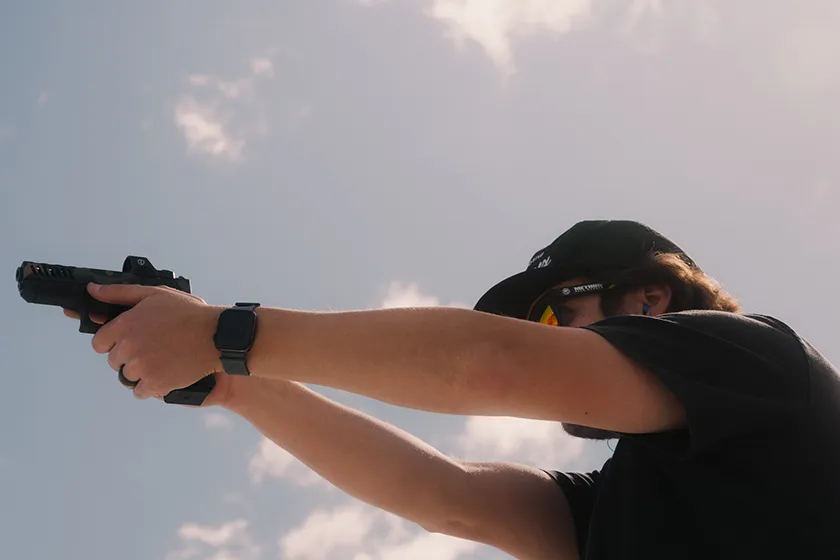
During live fire, recoil can hide small mistakes because the firearm moves after every shot. But on an empty chamber there is no recoil to mask errors. If the sights dip or move off target when the trigger is pressed on the empty chamber, it clearly shows the shooter is anticipating recoil instead of allowing the shot to break naturally.
Shooters improve over time by slowing down and becoming more aware of what the firearm is doing during the trigger press. As anticipation decreases, the sights remain steady when the trigger breaks. That improvement usually translates directly into tighter groups and more confidence during live fire.
Man Card Drill
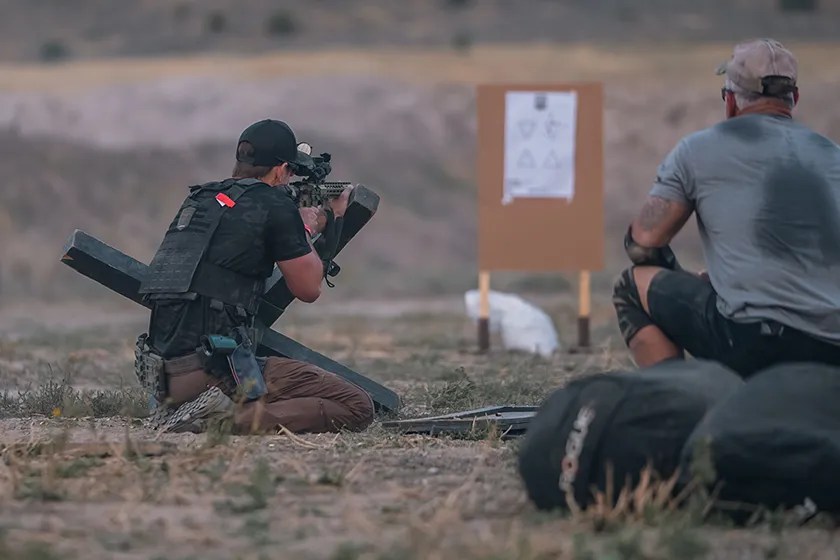
The Man Card Drill by Achilles Heel Tactical is a timed shooting drill built around rifle and pistol performance under pressure. The drill is commonly shot at 25 yards using a C-zone steel target. Shooters work through multiple stages involving pistol draws, rifle presentations from ready positions, and rifle-to-pistol transitions while attempting to stay within strict time limits. Every stage is scored pass or fail based on both accuracy and time, which creates pressure immediately once the timer starts.
The drill is designed to teach efficiency, consistency, and accountability with both weapon systems. Unlike casual range shooting where shooters can slow down or retry shots, this drill forces shooters to perform on demand. It emphasizes clean presentations, accurate hits, fast sight acquisition, and smooth transitions between rifle and pistol. The drill also helps shooters learn how to maintain composure while operating under time constraints.
One of the biggest things this drill exposes is inefficiency. Small mistakes that might not matter during relaxed shooting become obvious once the timer starts. A poor grip during the draw, hesitation before the shot, wasted movement during transitions, or inconsistent sight picture all immediately affect performance. Because the drill uses strict time standards and limited rounds, there is no room for sloppy fundamentals or recovery shots. It also exposes whether a shooter can actually perform under pressure instead of simply shooting well during slow practice sessions.
As shooters become more familiar with their equipment and improve their fundamentals, they begin trusting the process instead of rushing shots.
Shoot, Shoot, Shoot
Doing drills at the range can be a fun way to compete against yourself and help you develop better shooting skills. But, like anything you want to get good at you have to spend the time. Don’t just add one of these drills to your routine once, do them every time you go to the range and keep track of your progress. Good shooters don’t just happen by random chance, good shooters shoot, a lot.