The gear that makes you successful in a tree stand pursuing whitetails can become your biggest disadvantage the moment you head out west chasing big bulls.
That might sound hard to believe, especially if your current setup has filled tags year after year. So if it’s not broken, why change it?
Because western hunting isn’t just whitetail hunting with big mountains. Bringing your whitetail gear out west is like bringing a Tesla to a two track. It might get the job done if you try hard enough, but more than likely you’ll be sitting there stuck in the mud.
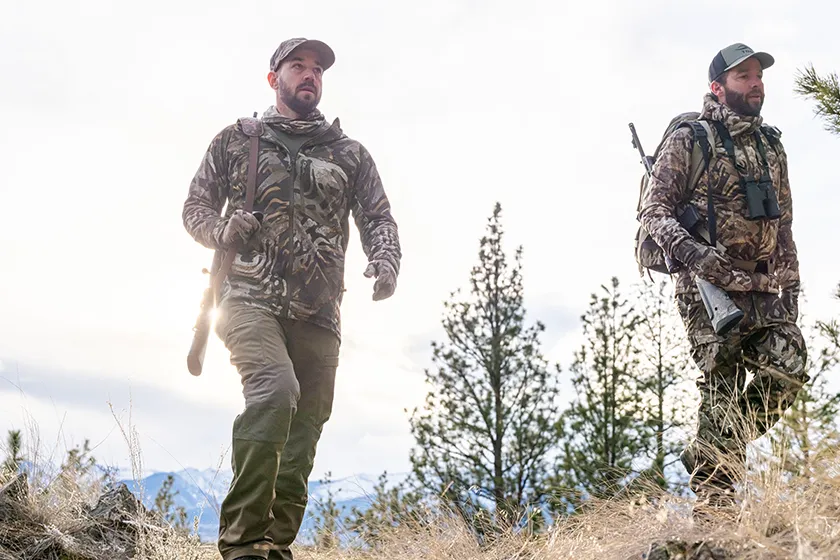
Western hunting is no joke. You’re covering miles instead of walking a few hundred yards to a stand. You’re spending hours behind binoculars instead of watching one shooting lane. The whole hunt is about adapting to the conditions around you, and that is hard to do without gear designed for such a task.
That doesn’t mean your current gear in your pack is bad. It means it was built for a different job.
If you’re planning your first western hunt or even your third, these pieces of gear are worth taking a hard look at before you put on the miles out there.
Boots That Go Distance
A good comfortable pair of boots you can wear all day in the deer stand to keep your feet warm and comfortable is nice. But out west those same boots are going to weigh you down.
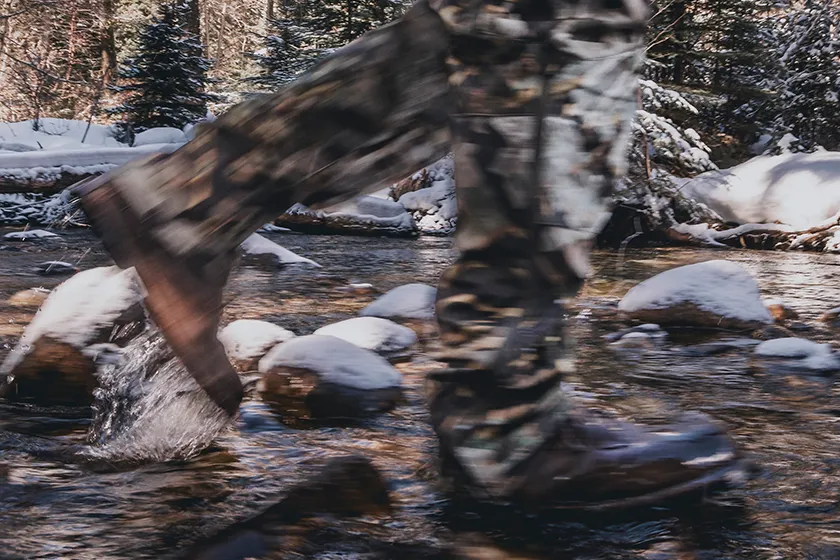
Good boots for a western hunt are a non-negotiable. When you are covering several miles before sunrise, climbing elevation, crossing creeks, and traversing steep sidehills all before you even spot an animal, you don’t want sore feet. Your boots can determine your hunt. They can slow you down, give you blisters, and derail the entire hunt if they are not chosen wisely.
For your western hunt, look for boots that fit well, are lightweight, waterproof but breathable, and solid as a rock around the ankles. Don’t choose to wear them the first time on your hunt either. One of the worst things you can do is find out your boots don’t fit right miles into the back country.
When your feet feel good, you move further, hunt longer, and stay focused on the hunt rather than wondering how many more miles till you’re done walking.
Binoculars Aren’t Just For Counting Points
One of the biggest mindset shifts for Midwest hunters is realizing that binoculars aren’t simply used to just identify game. They’re how you find it in the first place.
In many western states, success comes from spending hours behind glass, carefully picking apart hillsides, timber pockets, draws, and distant ridges. Instead of hiking every drainage hoping to bump into a bull by chance, experienced hunters let their binoculars do the walking first. Finding animals from a distance saves time, energy, and often keeps you from spooking game out before you ever have a chance to make a move.
This is also where glass quality starts to matter. Spending hours behind poor glass can lead to eye fatigue, headaches, and missed details. Better optics make it easier to separate an ear flick from a stump or antler tips from dead branches, especially during the first and last light.
If western hunting is on your calendar, this is where stepping up your equipment can make one of the biggest differences. Your 8X and 10X binos won’t cut it for an all day glassing session like you’d think. The Riton 5 Primal 15×56 ED Binoculars were built exactly for western hunting. The added magnification helps you evaluate distant terrain without constantly hiking ridge after ridge. The larger 56mm objective lenses help use more of the available light during those critical morning and evening hours. When glassing becomes one of the most important parts of your hunt, your binoculars become one of the most valuable pieces of gear you own.
A Good Pack
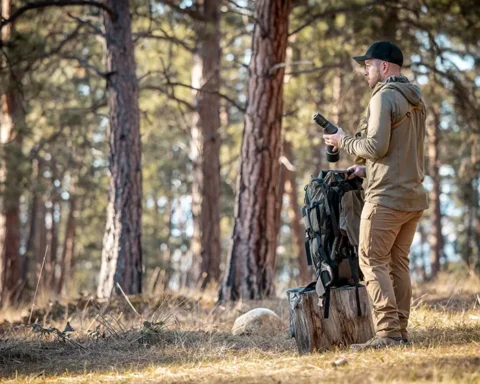
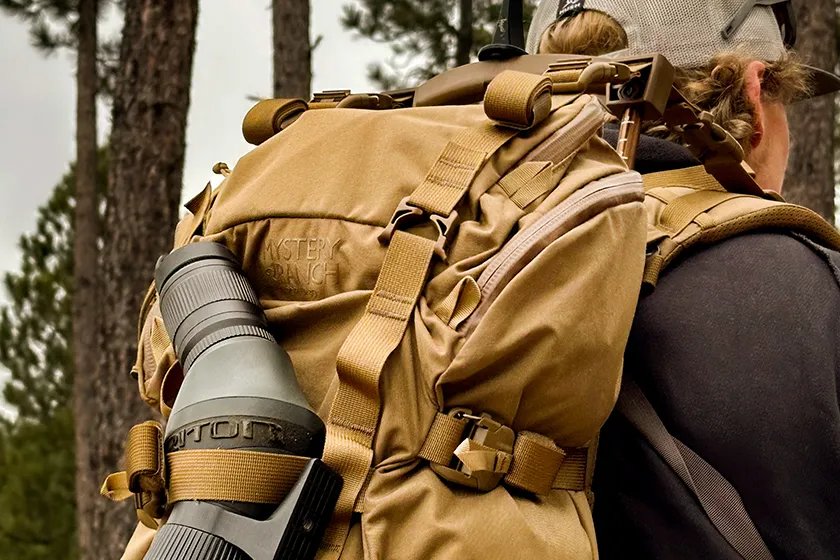
Your deer stand pack probably never weighed you down on your walk to the stand. Probably some scent killer, a few calls, and some candy bars along with lunch. Your kid’s old book bag could probably do the job. Western hunting packs ask for a little more.
Every mile from the truck means you need to be all that more prepared. The weather can change, the days will be long, and unexpected situations may arise. Extra layers, rain gear, plenty of water, food, a headlamp, first aid supplies, and your field dressing kit all deserve a place in your pack.
The best packs don’t just have all that gear organized. They are a comfortable weight. That is even more important given you have a successful hunt in the field. A quality hunting pack with a load-hauling system can make packing out an elk significantly more manageable than trying to make do with a basic backpack.
The heaviest thing you should be carrying into the hunt should be your optimism. The heaviest thing on the way out should be some meat.
A Knife That Can Do It All
The shot may be the moment you remember, but the work begins afterward.
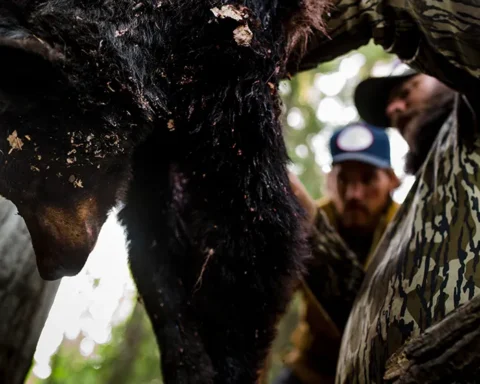
Many Midwest hunters can field dress a whitetail, drag it to a truck or side-by-side, and finish processing at home. Western game is a different story. More often than not, you’re breaking an animal down where it falls and carrying it out one load at a time.
This means your knife needs to be much more capable than just the first cut.
Whether you like fixed blades or a replaceable blade system, a sharp knife makes a big difference. Don’t give yourself a damper on the hunt because you didn’t have a sharp knife. Other things to consider for your field dressing kit are game bags, gloves, paracord, extra blades or a knife sharpener. All of these are essential items to make one of the most memorable moments on the hunt an enjoyable one.
Your Gear Isn’t Wrong, It’s Just Not Built For This Hunt
Western hunting will humble the greatest whitetail hunters in the world. It could be their shooting, conditioning, or gear they’ve relied on for years.
None of this means their whitetail setup is wrong. It just means it’s wrong for western hunting.
If this fall has you chasing bugles through the mountains or glassing for pronghorn across endless prairie, take a hard look at your gear before you leave home. The more problems you solve before opening day, the more time you’ll spend enjoying the hunt instead of wishing you’d packed differently.