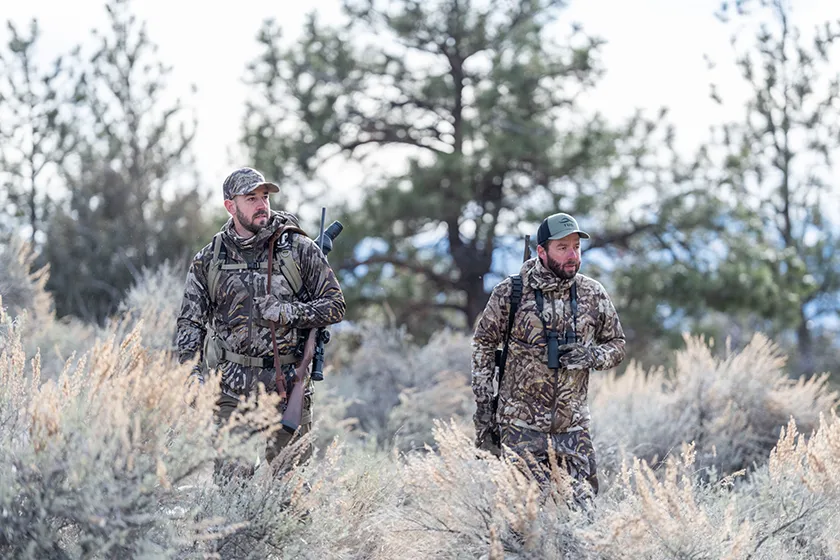
This year, America celebrates its 250th anniversary. That’s 250 years of perseverance, adaptation, and making the most of what was in front of you. In a way, hunting isn’t all that different. Every season presents a new set of challenges, and every hunter has to figure out how to work through them.
Funny enough, it also seems like every hunter has about 250 reasons they didn’t fill a tag.
The weather never cooperated. The neighbor pushed all the deer away. Hunting pressure ruined the property. The rut was late. The wind was wrong. There weren’t as many deer as last year. We’ve all heard those conversations around the tailgate or at deer camp, and if we’re being honest, most of us have probably said a few of them ourselves.
The thing is, some of those reasons might actually be true. Hunting isn’t something we can control from start to finish. Weather changes. Animals adapt. Public land gets crowded. That’s part of what makes hunting rewarding in the first place.
What we can control is how prepared we are before the season ever begins.
The truth is, a lot of hunting seasons are won or lost long before opening morning.
Scouting
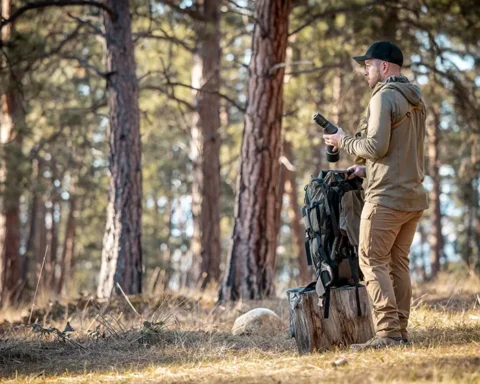
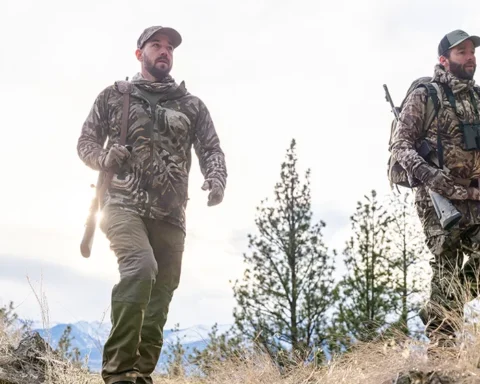
By the time you’re easing into a stand before daylight or settling in behind a spotting scope on a distant ridge, most of the work should already be done. That’s why successful hunters spend so much time scouting during the offseason. They aren’t just looking for animals. They’re learning the landscape, understanding how deer or elk move through an area, identifying food sources, bedding cover, travel corridors, and figuring out how changing conditions might affect those patterns when the season arrives.
When that work doesn’t happen, it’s easy to blame the outcome on bad luck. Sometimes the animals didn’t disappear. They simply weren’t there.
Shooting Practice
A lot of hunters dust off the rifle a week before season, fire a few shots from the bench, and call it good. If the group looks decent, the rifle goes back in the case until opening day. There’s nothing wrong with confirming your zero from a bench. In fact, you should. But hunting shots rarely happen from a perfectly stable concrete table.
More often, you’re sitting against a tree, shooting off a backpack, balancing on uneven ground, or trying to steady yourself on shooting sticks while your heart rate reminds you there’s an animal standing in front of you.
That’s why field practice matters.
Spend time shooting from kneeling, sitting, prone, or whatever positions you realistically expect to hunt from. Learn what your rifle does when the wind picks up instead of hoping it stays calm. Build confidence in situations that resemble the real thing, not just the controlled environment of a shooting bench.
One of the biggest confidence builders a hunter can have isn’t shooting tiny groups. It’s knowing exactly what to expect when the opportunity finally presents itself.
Checking Your Setup
Preparation also means paying attention to the small details. It’s easy to assume everything is ready because it was ready last season. The rifle was zeroed in November, so it should still be fine, right?
Maybe.
Or maybe your rifle took a bump riding around in the truck. Maybe a scope ring loosened over the last several months. It doesn’t happen often, but it happens often enough that it’s worth checking.
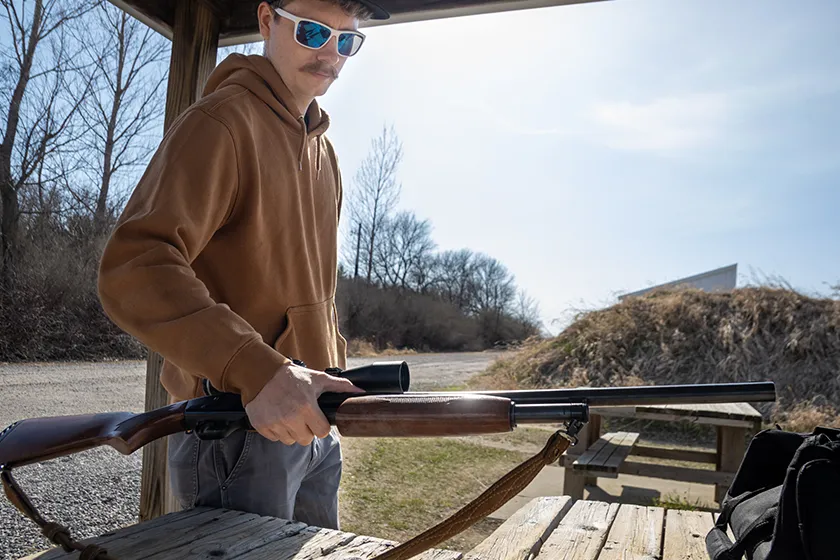
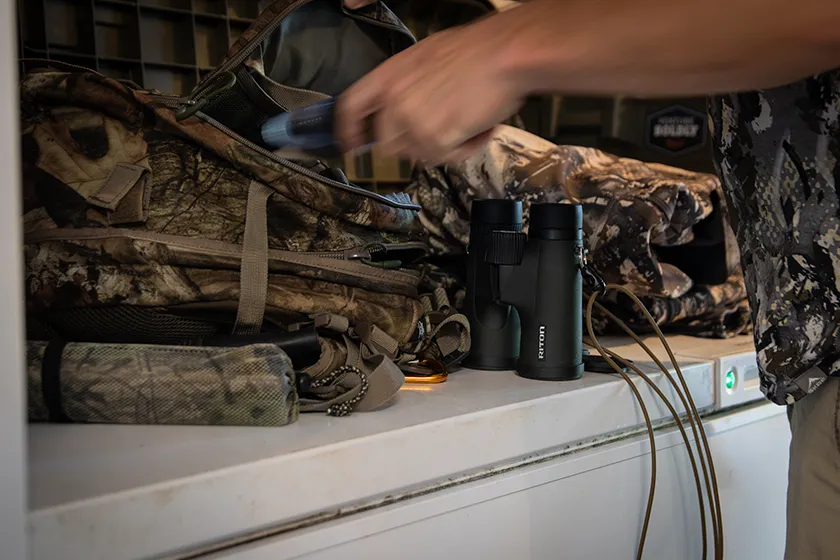
Before opening day, take a few extra minutes to inspect your setup. Verify the torque on your scope rings and bases. Confirm your zero. Clean your lenses. Replace batteries if your optic uses them. Those simple checks don’t take long, but they can save an entire season from being remembered for the wrong reason.
The Work No One Sees
The funny thing about preparation is that nobody notices it when everything goes right.
People notice the photo of a filled tag. They hear the story about the shot. They see success and sometimes call it luck.
What they don’t see are the evenings spent scouting after work. The range sessions in the summer heat. The maps studied over a cup of coffee. The gear checks in the garage. The extra hour spent verifying that everything is exactly where it should be.
Preparation has a way of looking a lot like luck when the season finally arrives.
That doesn’t mean you’ll fill a tag every year. Hunting doesn’t work that way. There will still be slow mornings. There will still be changing weather, unexpected hunting pressure, and animals that somehow seem to know exactly where you aren’t. That’s part of the experience, and honestly, it’s one of the reasons we keep coming back.
But preparation gives you the confidence to adapt instead of making excuses.
Maybe that’s the real takeaway.
Hunting has never been about eliminating every challenge. It’s about preparing for them.
There will always be factors outside your control. But the hunters who consistently find success aren’t usually the ones with fewer obstacles. They’re the ones who spent the offseason preparing for them.
This year, instead of adding another excuse to the list, add another scouting trip. Another range session. Another gear check.
Because the best way to avoid having 250 reasons your season didn’t go as planned is to start preparing before it ever begins.