For many hunters, opening day is the highlight of the season. The excitement of sunrise, the first birds of the morning, and spending time with family and friends is hard to beat. But if you ask me, some of the best moments happen long before the first shell is ever loaded into a shotgun.
Dove season is just over a month away here in California, and that means one thing: it’s scouting season.
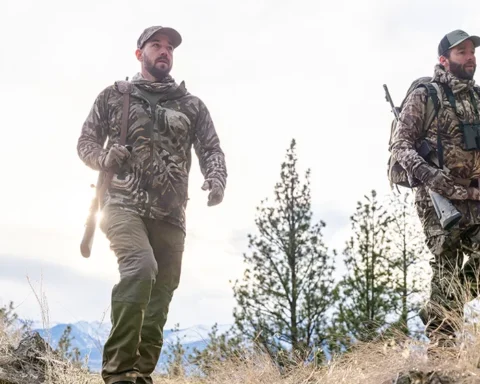
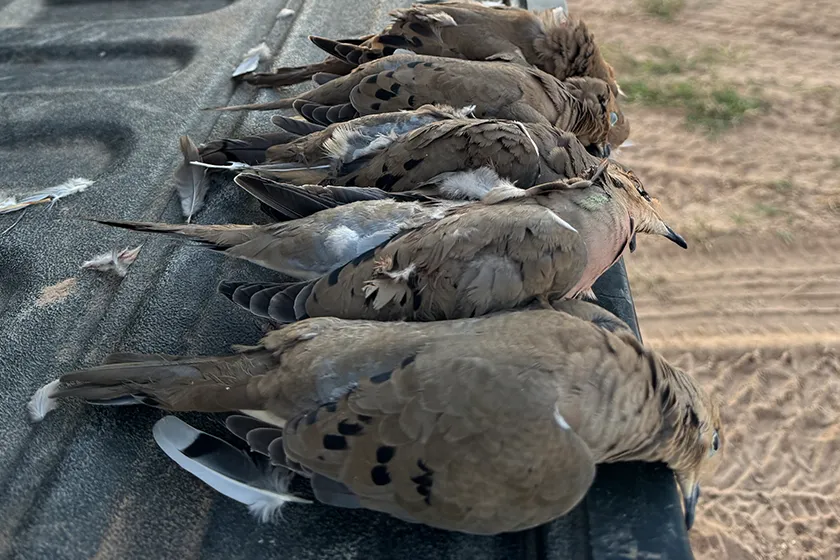
Every year, I organize our annual dove opener where we bring together more than 40 hunters. Some are lifelong wing shooters who can spot a dove from hundreds of yards away. Others have never hunted a day in their lives and are about to experience their very first sunrise in a field. That’s one of my favorite traditions because dove hunting is one of the best introductions to hunting there is. It’s fast-paced, social, and offers plenty of opportunities to learn.
The challenge is finding enough birds to keep that many hunters smiling.
That means weeks of driving dusty back roads, glassing field after field, and spending countless hours looking for the perfect combination of food, water, cover, and flight activity. Some people might think that’s work. I think it’s one of the most enjoyable parts of the entire season.
The Hunt Begins Before Opening Day
People often assume hunting starts when you step into the field.
Experienced hunters know better.
A successful dove hunt begins weeks before the opener with careful scouting. The more time you invest before the season, the better your odds when opening morning finally arrives.
For me, scouting usually starts with a map, but quickly turns into windshield time. I’ll spend evenings driving agricultural areas looking at wheat fields, harvested grain, milo, safflower, sunflower, cantaloupe fields, and just about any location that might attract feeding doves.
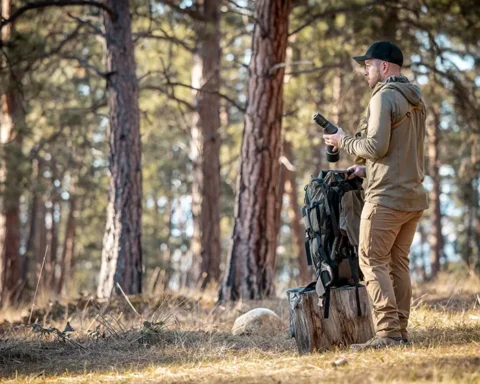
Once I find an area that looks promising, the truck gets parked and the optics come out. This is where quality binoculars become one of the most valuable tools you can own. Instead of disturbing birds by walking directly into every field, I can sit hundreds of yards away and simply watch. Using my Riton binoculars allows me to determine if birds are actively feeding, loafing, or simply passing through without ever alerting them to my presence.
The less pressure you put on a field before opening day, the better.
Understanding Dove Habitat
Doves are creatures of routine.
If you understand what they need every single day, you’ll have a much easier time predicting where they’ll be.
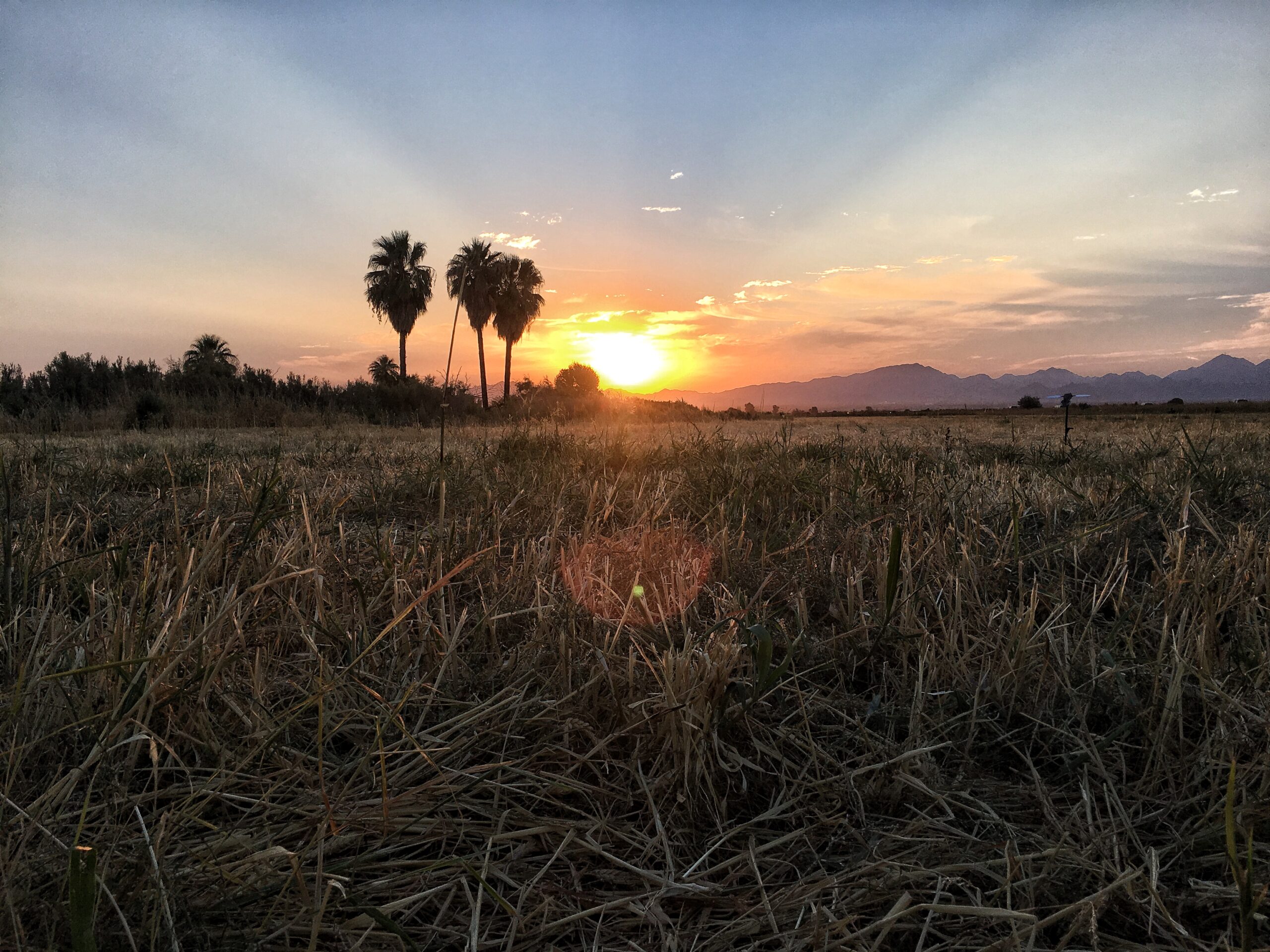
There are four things every dove needs:
- Food
- Water
- Roosting cover
- Safe travel corridors
Food is often the easiest piece of the puzzle. Recently harvested grain fields are magnets for mourning doves. They feed primarily on seeds, which means harvested wheat, barley, millet, milo, safflower, and other seed-producing crops become prime feeding locations.
Even freshly disked fields can expose enough seed to attract large numbers of birds.
But food alone doesn’t guarantee success.
Water Is Everything
California dove seasons are often hot. Really hot. That means water becomes just as important as food.
Small ponds, irrigation canals, livestock troughs, creeks, and even temporary puddles created by irrigation can become major dove magnets.
One of the biggest mistakes hunters make is only scouting feeding areas.
Instead, spend time watching nearby water sources during the early morning and late afternoon. You’ll often find birds making predictable trips between feeding areas and water throughout the day. Sometimes the best hunting isn’t over the food source at all. It’s halfway between food and water.
Don’t Ignore the Tree Lines
One of the first places I glass when scouting is the nearest tree line.
Power lines, dead cottonwoods, eucalyptus groves, fence posts, and isolated trees all serve as resting locations where doves can sit, observe, and regroup before continuing their daily travels.
Watch these locations for twenty or thirty minutes. You’ll quickly notice birds arriving from one direction and leaving toward another. Those flight paths become incredibly valuable information when deciding exactly where to set up hunters on opening morning.
Reading Flight Patterns
One of the most satisfying parts of scouting is learning the daily rhythm of a dove population. Birds often leave roosts shortly after daylight to feed.
Later they move toward water.
Then they’ll spend portions of the afternoon resting before making another feeding run in the evening. Those patterns become surprisingly consistent.
Rather than randomly picking a field edge, I like sitting back with binoculars and simply watching. Within an hour, you can often identify invisible highways in the sky where bird after bird follows nearly the same route.
Those travel corridors are gold.
Positioning hunters along those routes dramatically increases shooting opportunities while spreading everyone out safely across the property.
Why Good Optics Matter
People often think optics are only important for big game hunting.
I couldn’t disagree more.
Quality binoculars have become one of my most important scouting tools for dove season.
Instead of hiking through fields and bumping birds every few hundred yards, I can evaluate an entire property from a distance.
I’m watching for:
- Birds feeding.
- Birds watering.
- Numbers of doves entering and leaving.
- Flight direction.
- Roost locations.
- Hunting pressure from neighboring properties.
The clearer the glass, the longer you can comfortably observe.
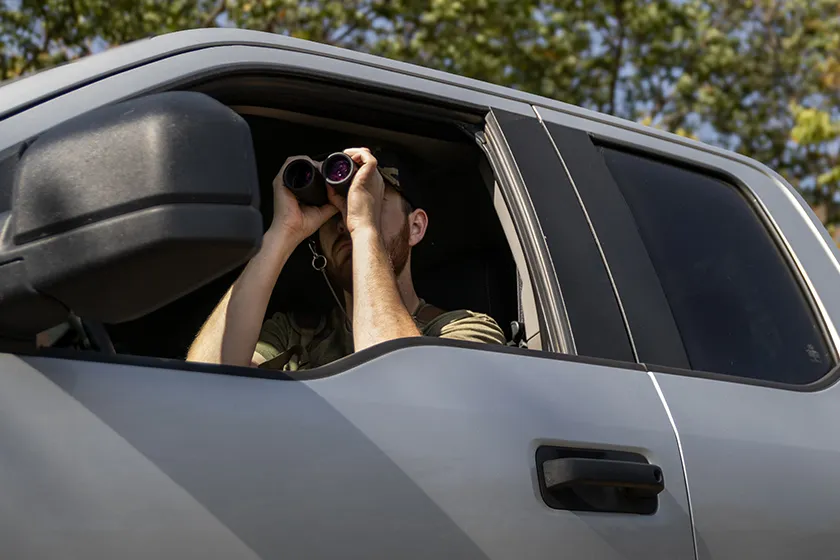
After several hours behind binoculars, eye strain becomes a real factor. Good optics make those long evenings much more enjoyable and allow you to notice details you might otherwise miss.
For me, that’s where Riton Optics really shines. Crisp image quality, excellent light transmission during those last few minutes before sunset, and dependable durability make them an easy companion whether I’m scouting a dove field or glassing for mule deer miles into the backcountry.
Finding Fields for Forty Hunters
Scouting for yourself is one thing. Scouting for over forty hunters is another challenge entirely.
Every year our opener includes experienced hunters, first-time hunters, kids, veterans, and families. Finding enough birds to keep everyone engaged takes planning. I’m not looking for a field with a handful of birds. I’m looking for fields absolutely covered with them.
That usually means multiple scouting trips to the same locations. Some evenings a field looks incredible. Two days later it’s nearly empty. Agriculture changes quickly. Harvest schedules change. Irrigation changes. Weather changes, and birds change with them.
The best scouting isn’t a one-time event. It’s a process of constantly checking conditions until opening morning arrives.
Choosing the Right Shotgun Setup
Once you’ve found the birds, it’s time to make sure your equipment is ready.
Dove hunting doesn’t require an expensive shotgun. Hunters have been filling limits with pump guns for generations.
The important part is choosing a shotgun that fits you well and one you’ve actually practiced with before the season.
Whether you shoot a pump, semi-automatic, or over-under, confidence comes from familiarity.
Spend time on the sporting clays range before opening day.
Practice crossing shots, practice incoming birds, practice birds flying away.
Those extra rounds during the summer pay off when that first dove comes screaming across the field.
California’s Steel Shot Requirement
Hunters coming from other states are often surprised to learn that California requires non-lead ammunition for all hunting.
That means steel shot has become the standard for dove hunting here.
While steel performs extremely well, it behaves differently than traditional lead.
Steel is lighter than lead. Because it carries less mass, it loses energy faster and generally doesn’t hit quite as hard at longer distances.
Fortunately, there’s a simple adjustment many experienced hunters make.
They size down.
If you traditionally hunted doves with No. 7½ lead, many hunters find No. 6 steel performs similarly because the increased pellet size helps retain the energy needed for clean, ethical harvests.
Every shotgun patterns differently, so spend some time on the range before the season. Pattern your chosen load at realistic dove hunting distances to see exactly how it performs through your preferred choke.
That little bit of preparation builds confidence and helps ensure clean kills when the birds start flying.
More Than Just a Hunt
Every year when opening morning finally arrives, I take a minute before legal shooting light and simply look around.
Forty hunters standing together; some are introducing kids to hunting, some are reconnecting with lifelong friends, Others are experiencing their very first hunt.
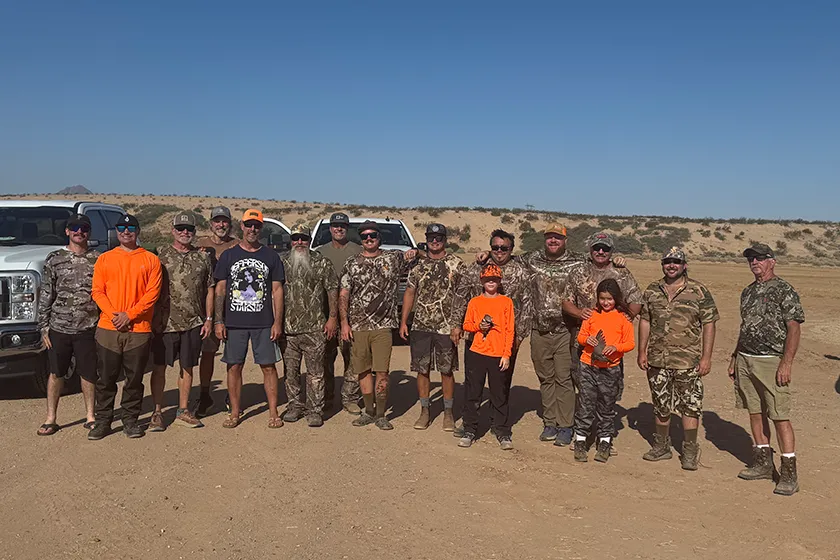
It’s a reminder that all those evenings spent driving dirt roads, glassing fields, watching birds, and searching for the perfect location were worth every mile.
The scouting wasn’t just about finding doves; it was about creating an experience.
An experience where someone harvests their first bird.
Where a veteran shares stories with a new hunter.
Where kids laugh as birds zip overhead faster than they ever imagined.
Where lifelong memories are made before breakfast.
That’s why scouting has become one of my favorite parts of dove season.
It slows everything down.
It reminds us that successful hunting isn’t luck. It’s preparation, patience, observation, and understanding the animals we pursue.
When opening morning finally arrives, all those hours behind a good pair of binoculars suddenly make perfect sense.
The birds are there, the hunters are smiling, and another dove season begins.
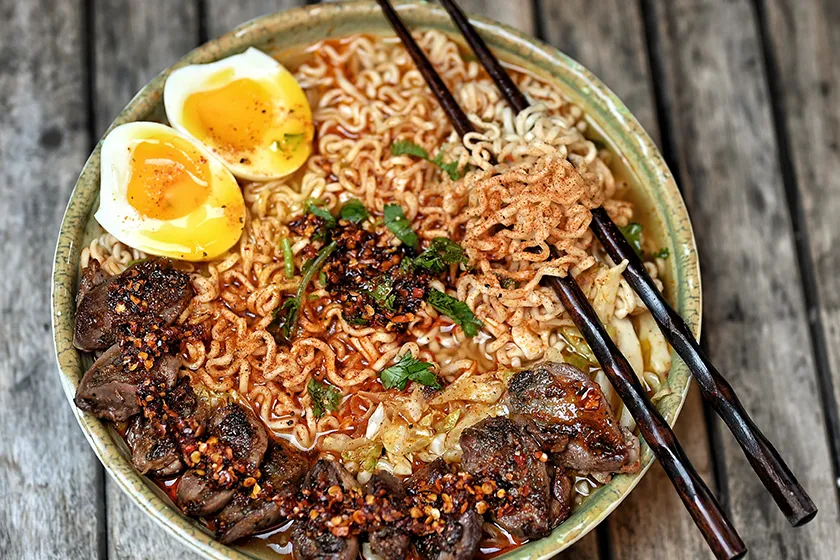
Spicy Dove Ramen
Spicy Dove Ramen brings together the richness of wild dove with the warmth and spice of a flavorful broth:
Ingredients:
For the Doves:
- 8-10 dove breasts (boneless)
- 1 tbsp olive oil
- 1 tsp garlic powder
- 1 tsp smoked paprika
- Salt and pepper, to taste
For the Ramen Broth:
- 4 cups chicken or game stock (homemade or store-bought)
- 2 tbsp soy sauce
- 1 tbsp sesame oil
- 2 cloves garlic, minced
- 1 tbsp ginger, minced
- 1-2 tbsp chili paste
- 1 tbsp fish sauce
- 1 tbsp rice vinegar
- 1 tsp sugar or honey
- 2 packs ramen noodles (discard seasoning)
Instructions:
1. Prepare the Doves:
- Season the dove breasts with olive oil, garlic powder, smoked paprika, salt, and pepper.
- Heat a skillet over medium-high heat with 1 tbsp avocado oil and sear the dove breasts for 2-3 minutes on each side until browned and cooked to medium-rare. Set aside and slice thinly.
2. Make the Broth:
- In a large pot, heat sesame oil over medium heat.
- Add the minced garlic and ginger, cooking until fragrant (about 1 minute).
- Stir in the chili paste and cook for another 1-2 minutes.
- Add chicken or game stock, soy sauce, fish sauce, rice vinegar, and sugar/honey. Bring to a simmer and let the broth cook for about 10 minutes to allow the flavors to meld.
3. Cook the Ramen Noodles:
While the broth simmers, cook ramen noodles according to package instructions (without the seasoning packet). Drain and set aside.
4. Assemble the Ramen:
- Divide the cooked noodles into bowls.
- Ladle the spicy broth over the noodles.
- Top each bowl with sliced dove breasts, soft-boiled eggs, cilantro, spicy crunch oil, and any other desired toppings.
Check out more From Field to Plate on social media: Facebook/Instagram/YouTube/X