Certain foods live deep in our memories. They are not fancy. They are not slow-cooked. They are not plated on cutting boards with sprigs of rosemary and a drizzle of reduction. They are wrapped in paper, handed through a window, and eaten in the front seat of a truck.
For a lot of us, those meals came from the Golden Arches.
It was the reward after a long baseball game, the road trip staple, the quick dinner when life got busy. It was the smell of fries filling the cab, the sound of a wrapper crinkling open, and that familiar first bite of a burger that tasted the same every time.
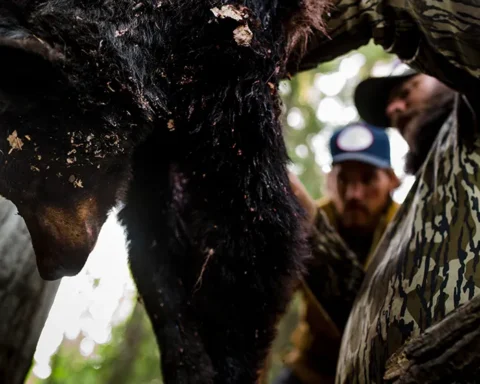
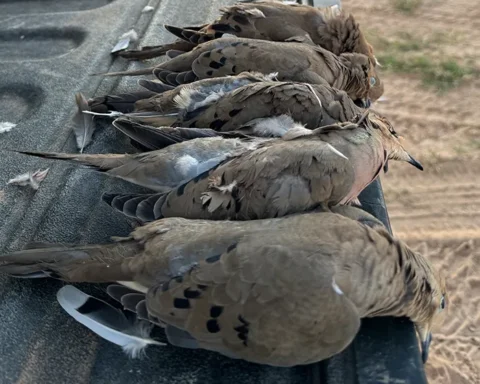
But somewhere along the way, especially for those of us who hunt, something shifts. You start paying attention to your food. You start thinking about where it came from, how it lived, and what it took to get it to your plate. You trade feedlots for foothills, and drive-thru lanes for dirt roads and trailheads. That does not mean you stop loving the flavors you grew up with. In fact, some of the most fun you can have in the kitchen is bringing those flavors back, only this time with wild game.
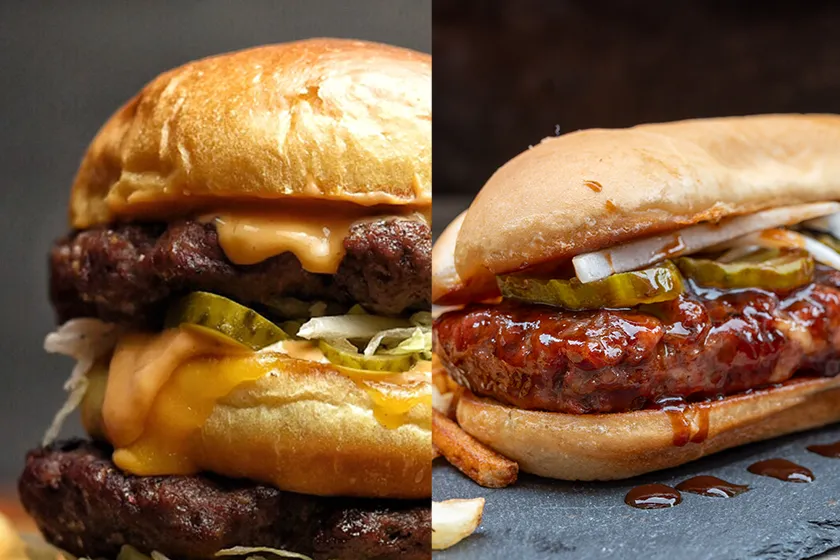
There is something deeply satisfying about re-creating those fast-food classics using meat you harvested yourself. It is nostalgia mixed with hard-earned meals. Childhood memories paired with early mornings in a stand or long hikes through the backcountry. And two of the most iconic sandwiches ever built under the golden arches, the Big Mac and the McRib, happen to translate perfectly into the wild game world. Fast food was never really about the food alone. It was about convenience, sure, but it was also about routine and memory.
You knew what you were getting every time. The same wrapper, the same burger, the same salty fries. There was comfort in that consistency. It was predictable in a world that often was not.
For many of us, those meals were tied to moments. After-school stops with your dad. Late-night runs with friends. Road trips where the golden arches meant you were halfway to your destination. Then, as hunters, we start to see food differently. The first time you field dress an animal, it changes you. The first time you grind your own meat, package it, cook it, and feed your family with it, something clicks. Food stops being anonymous. It becomes personal.
You know the ridge where that deer stood. You remember the smell of sage or pine in the air. You remember the work, the sweat, the cold mornings, and the careful cuts on the cutting board. So, when you take that same meat and turn it into something that reminds you of those fast-food moments, it bridges two parts of your life. The kid who loved a drive-thru burger and the adult who knows exactly what went into the one on his plate.
The Wild Game Big Mac Mindset
The Big Mac is not complicated. Two thin patties, special sauce, lettuce, pickles, onions, and that extra slice of bun in the middle. It is simple, balanced, and instantly recognizable.
But when you swap out the standard ground beef for venison, the whole experience changes.
Venison has character. It is leaner, cleaner, and carries the flavor of the landscape it came from. A deer that fed on acorns tastes different from one that spent its life in sagebrush or alfalfa fields. There is a story in that meat. So, when you build a wild game version of a Big Mac, it is not just about mimicking a fast-food burger. It is about taking something familiar and giving it depth.
You still get the layers. The sauce still brings that tangy, slightly sweet bite. The pickles still snap. The lettuce still gives it that fresh crunch. But the meat, that is where the magic happens.
Instead of a uniform, factory-processed patty, you get a burger with real flavor. A burger that came from an animal you saw, tracked, harvested, and respected.
It is still a Big Mac in spirit. It just has a little more soul.
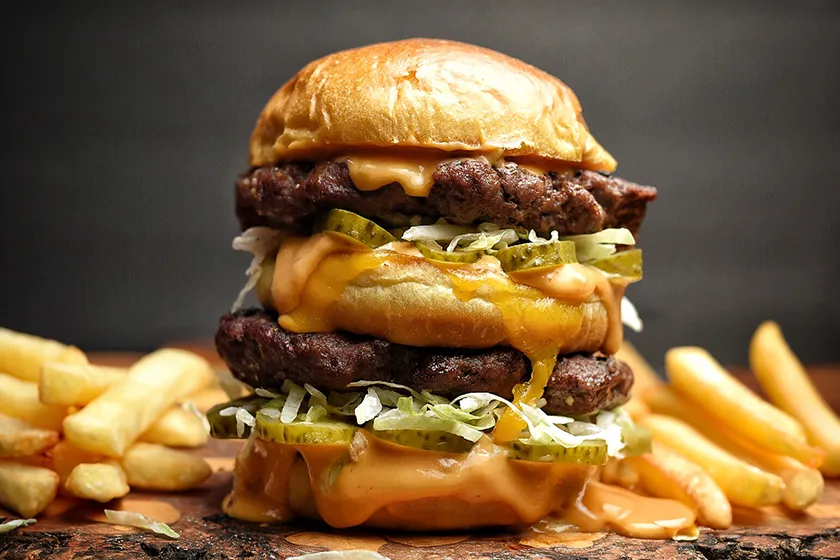
Venison Big Mac’s
Patties:
- 2 pounds ground wild game meat
- 2 Tbsp Garlic, minced
- 1 Tbsp Worcestershire
- 1/4 cup onion, minced
- 1/2 Tbsp cracked pepper
- 1 tsp paprika
- 1 tsp sea salt
- 1 tsp garlic powder
Special Sauce:
- 1/2 cup mayonnaise
- 2 Tbsp ketchup
- 2 Tbsp sweet pickle relish
- 2 tsp finely diced onion
- 1/4 tsp finely minced garlic
- 1 tsp white vinegar
- 1/8 tsp kosher salt plus more to taste
- 1/4 tsp smoked paprika
Fixings:
- Cheddar or American cheese
- Shredded lettuce
- Buns
- Pickles
- White onions, diced
Directions:
1. In large glass bowl, mix game meat along with all other ingredients.
2. Take a baseball-size handful of meat mixture and roll into ball. On a piece of parchment paper toss ball down, press down on the ball and with other hand follow along the sides to form a perfect patty. Continue this until all patties have been formed. Place all patties in fridge for 30 minutes before cooking. This is key.
3. Preheat grill to high heat.
4. Place the burgers on the grill and don’t touch! Once they’ve cooked for 5 minutes flip once. ONCE.
5. The cheese is melted to the two bottom buns in the recipe, so when your burgers are almost done, toast your bottom bun with a slice of cheese and finish along with the burgers. You can do this on a baking sheet if you don’t want over crispy buns.
6. Now we layer: bottom cheese bun, special sauce, pickles, onions, lettuce, burger patty, bottom bun, special sauce, pickles, onion, lettuce, burger, sauce, and top bun
7. Enjoy!
The Wild Boar McRib Experience
The McRib has always been a bit of a mystery. It comes and goes, shows up for a limited time, disappears again, and somehow keeps people talking every time it returns.
At its core, it is supposed to represent a barbecue-style pork sandwich. Sweet sauce, pickles, onions, and a soft bun. It is sticky, messy, and memorable. But when you make a version of it with wild boar, it stops being a novelty and starts becoming real barbecue.
Wild boar is nothing like the pork you find in most grocery stores. It is richer, sometimes slightly sweet, sometimes nutty, depending on what the animal fed on. It has texture and depth. It tastes like something that actually lived outdoors.
When you BBQ wild boar and build a sandwich around it, you get all the familiar elements of the McRib, but with honest flavor behind them. The smoke, the sauce, the meat, it all feels more authentic.
Instead of a factory pressed formed patty, you have real meat that you ground, seasoned, and formed. Instead of a sandwich that tastes the same everywhere, you have one that reflects the land it came from.
It is still messy. It is still saucy. It still hits that same sweet and tangy note. But it feels like barbecue, not just a fast-food interpretation of it.
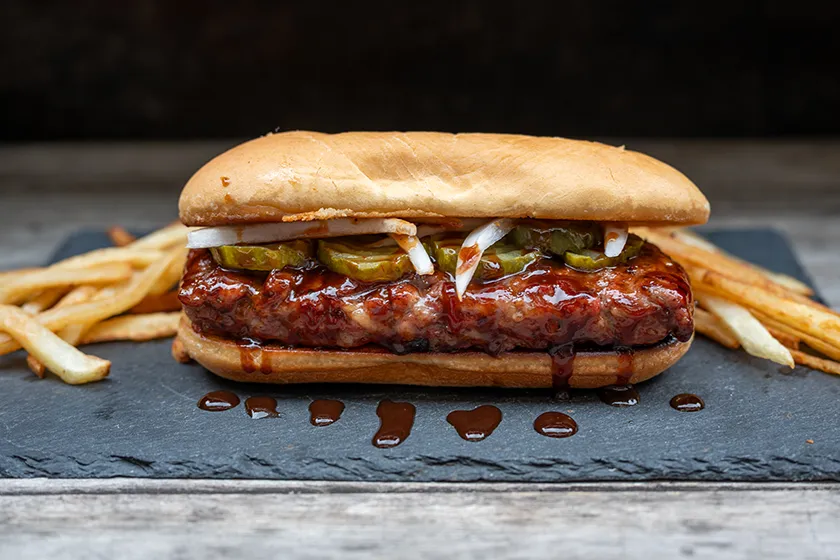
Wild Pig McRib
For the rib-style patties
- 2 pounds ground wild pig
- ½ cup ice-cold water
- 1 tablespoon brown sugar
- 1 tablespoon smoked paprika
- 1 teaspoon kosher salt
- 1 teaspoon black pepper
- 1 teaspoon garlic powder
- 1 teaspoon onion powder
- ½ teaspoon chili powder
For the sandwich
- 4 soft hoagie or sub rolls
- 1 cup barbecue sauce (your favorite)
- Dill pickle slices
- Thin-sliced white onions
- Extra barbecue sauce for brushing
Directions:
- In a large bowl, combine the ground wild pig, cold water, brown sugar, paprika, salt, pepper, garlic powder, onion powder, and chili powder. Mix thoroughly until the mixture becomes slightly sticky and uniform in texture. This helps the meat bind together like a classic McRib patty.
- Divide the meat into four equal portions. Press each portion into a rectangular shape about ¾ inch thick and roughly the size of your hoagie bun. If you want the classic rib look, press shallow grooves across the top using the back of a knife or a skewer.
- Place the formed patties on a parchment-lined tray and refrigerate for at least 30 minutes. This helps them hold their shape during cooking.
- Preheat a grill or cast-iron skillet over medium heat. Lightly oil the surface.
- Cook the patties for about 5 to 6 minutes per side, until they are fully cooked and develop a light crust on the outside.
- Brush both sides of the patties generously with barbecue sauce and cook for another 1 to 2 minutes per side, just long enough for the sauce to caramelize and become sticky.
- While the patties finish, lightly toast the hoagie rolls on the grill or in a skillet.
- Place a sauced wild pig patty on each bun. Top with dill pickle slices and thin-sliced onions. Add a little extra barbecue sauce if desired, then close the sandwich.
Nostalgia Meets the Field
There is something powerful about food that connects different seasons of your life.
One bite can take you back to being ten years old, sitting in the back seat, unwrapping a burger after a long day at the ball field. Another bite, from a wild-game version of that same sandwich, might remind you of the morning you spotted a buck through the trees or the evening you watched hogs step out at the edge of a field.
Those memories stack up just like the layers in those sandwiches. Fast food gave us convenience and comfort. Hunting gives us connection and responsibility. When you bring those two together in your kitchen, you get something special. You are not just copying a menu item. You are telling a story.
One of the biggest differences between drive-thru food and wild game cooking is control.
With fast food, you do not know the animal. You do not know how it was raised, what it ate, or how it was handled. You trust a system that is built around speed and volume.
With wild game, everything changes.
You know:
- Where the animal lived
- What it fed on
- How it was harvested
- How it was handled in the field
- How it was butchered
- How it was cooked
That level of involvement creates a different kind of respect for the food. It also makes those comfort foods feel a lot more meaningful.
A wild-game Big Mac is not just a burger. It is the end result of a season. It is the reward after scouting, practice, missed shots, early alarms, and long hikes. It is a meal with a backstory.
The same goes for a wild boar McRib. That sandwich might represent a night hunt under the stars, the glow of thermal optics, the sound of hogs moving through the brush, and the work that followed in the skinning shed.
Every bite carries a memory.
Once you start re-creating fast-food classics with wild game, it is hard to stop. You begin to see every menu item as an opportunity.
Chicken nuggets become wild turkey bites.
Breakfast sausage becomes ground venison patties.
Classic cheeseburgers turn into elk or antelope stacks.
Fries become duck-fat potatoes cooked in a cast-iron skillet.
The flavors stay familiar, but the ingredients tell a different story.
It becomes less about imitation and more about inspiration. You are not trying to perfectly copy a fast-food sandwich. You are using it as a starting point, then building something better with wild meat.
There is nothing wrong with fast food. It is part of our culture, part of our memories, and part of our stories. But there is something even better about taking those familiar flavors and rebuilding them with meat you harvested yourself.
A wild-game Big Mac is more than a burger.
A wild boar McRib is more than a sandwich.
They are reminders that comfort food does not have to come from a drive-thru. It can come from a trail, a stand, a blind, or a night in the woods. They are proof that the meals we grew up loving can still have a place in our lives, just with a little more meaning behind them.
Because when the meat comes from the field, and the meal is built in your own kitchen or around a camp stove, those old fast-food favorites start to taste a whole lot better.
Check out more From Field to Plate on social media: Facebook/Instagram/YouTube/X