Duck season along the southern end of the Pacific Flyway in California has been painfully slow this year. Anyone who spends time watching migration patterns has felt it. Flooding across large portions of the northern states created vast amounts of temporary habitat, giving birds no real reason to push south. Add to that a mild winter with little to no sustained freeze in Canada and the upper Midwest, and the urgency simply never materialized. Ducks stayed put. They loafed in flooded corn, sheet water, and backcountry sloughs instead of stacking up and moving. Biologists and seasoned hunters alike refer to this phenomenon as “the Stall.” When birds have food, water, and safety, they stop migrating. This year, that stall was amplified by hundreds of thousands of acres of instant habitat, making it one of the slowest migrations I can remember.
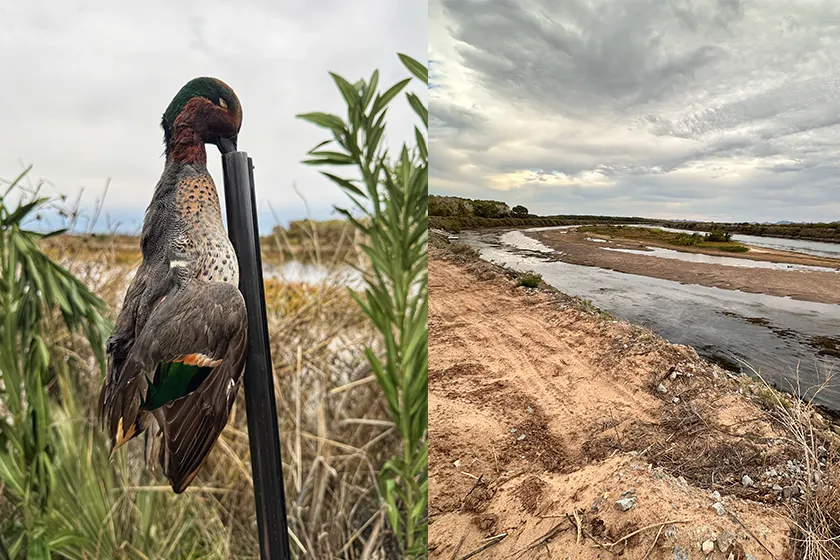
Between Christmas and New Year’s, my family met up with my parents along the California and Arizona border for what hopefully becomes a familiar tradition. A week of campfires, cousins running wild, and chasing waterfowl together. What we did not expect was just how low the Colorado River was. In many places, you could literally walk from California to Arizona without getting your knees wet. The river eddies and backwater ponds we have hunted for years were drained down to mud flats and puddles. The spots that once held birds were empty, quiet, and lifeless.
We hunted a couple of days along the public waterways and ponds, picking up a bird here and there, but nothing close to seasons past. At first, we chalked it up to the stall again. Then we started glassing the main river.
That’s when everything changed.
The river itself was alive. Thousands of ducks sat loafing in the shallow current, rafting up and doing duck things. Mallards tipped up along the edges. Teal buzzed back and forth in nervous little groups. Gadwall and wigeon whistled constantly. We spotted canvasback, goldeneye, ring necks, buffleheads, and more species than I could count. The problem was access. The water was too low to run a boat, and the river was far too wide to jump shoot effectively from shore.
Standing there watching it all unfold, my oldest nephew and I looked at each other, and both knew the same thing. If we wanted to hunt these ducks, we were going to have to get creative.
That afternoon we scrounged together two kayaks, a pile of PVC pipe and fittings, camo burlap, zip ties, and whatever else we could find. We started building floating blinds right onto the kayaks. The plan was simple. Float quietly downriver in a couple feet of water, drift right into the birds, bump them, and take shots as they lifted off or crossed overhead.
Before sunrise the next morning, we drove up to a diversion dam and dragged the kayaks down to the water’s edge. As the sun began to glow behind the desert mountains, we cut reeds, shore brush, and anything else that would help break up our outline. Fog hung low on the river, and the light filtered through it in that way that only happens in the desert winter. We finished brushing the kayaks, loaded our gear, and pointed the bows downstream for a 5.6 mile float back to camp.
Within minutes of shooting light, it happened.
A group of ducks came screaming down the river, low and fast, completely ignoring what looked like two clumps of floating brush. We popped up from the cover and two quick cracks echoed across the water. Two clean splashes followed. We looked at each other and laughed. Maybe this plan would actually work.
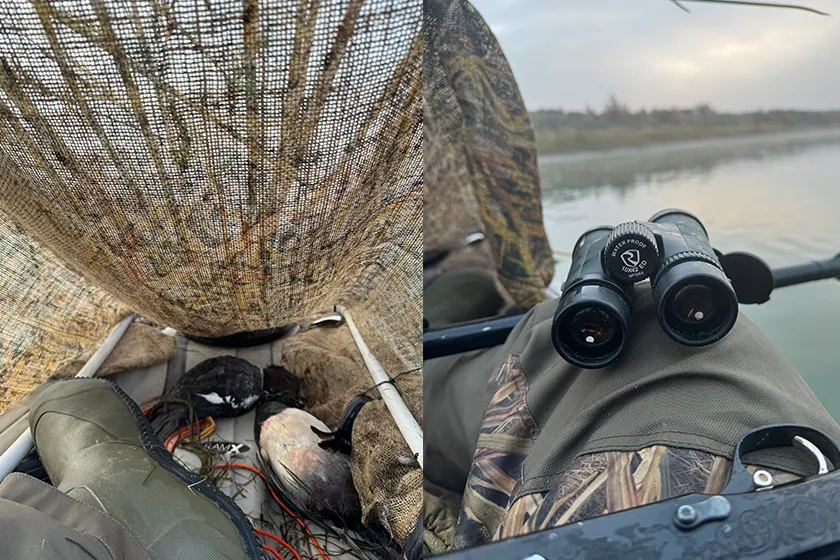
As the float continued, the experience only got better. We drifted within yards of massive flocks, sometimes so close you could hear wings cutting air before they finally spooked. Ducks would stand up all at once, water cascading off their backs, and explode into the sky. We swapped out our duck chokes for standard modified simply because of how close the shots were coming. It felt intimate, raw, and completely different from standing in a blind waiting for birds to finish.
The river itself felt alive in a way you rarely get to witness. Coyotes played in the mud along the banks, chasing coots and each other. Big coveys of quail fluttered down for early morning drinks. Mule deer peeked out from the reeds, testing the wind before cautiously stepping to the water’s edge. Once the fog lifted, I glassed ahead with my Riton binoculars, picking out mallards tucked against the shoreline and long lines of wigeon whistling as they fed.
There were moments we had to hop out and drag the kayaks across sandbars, hauling our floating blinds fifty or sixty yards until we found enough water to float again. Every bend of the river brought something new. Ducks flushing, singles sneaking back upriver, drakes dropping in behind us like they had forgotten we were there.
Some of the best moments were the quiet ones. Sitting with my nephew, drifting silently, no words needed. It felt like a throwback hunt. The kind of hunting that native peoples and early generations relied on. Floating rivers, reading water, understanding birds, and letting the landscape dictate the approach. No fancy setups with decoys and calls,. Just observation, patience, and adapting to the conditions.
By the time we pulled out near camp, tired and hearts full, we had birds for dinner and stories we will be telling for years. Floating the river did not just put ducks on the strap, it reminded me why I hunt in the first place.
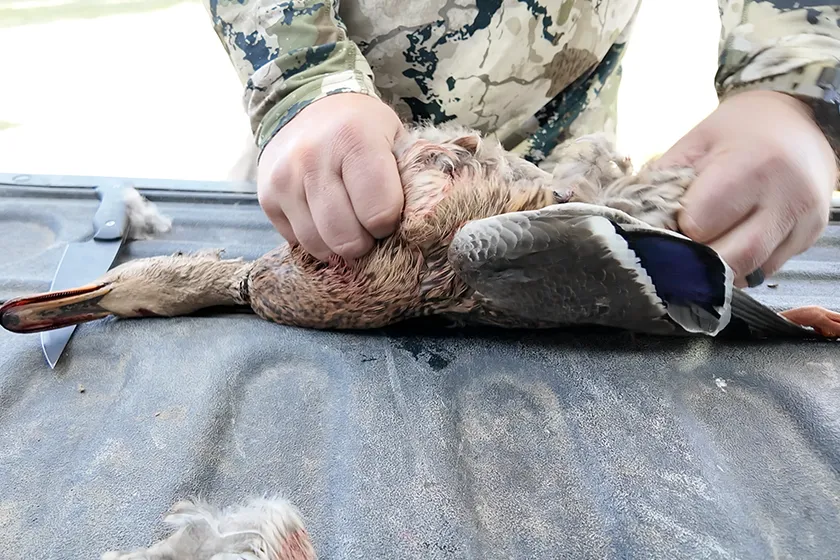
And of course, it all ended where it should.
Around a fire, with food.
Teriyaki Duck Skewers
These skewers are perfect for river birds and camp cooking. Simple, fast, and packed with flavor.
Ingredients
- 2 to 3 duck breasts, skin removed, cut into long slices
- Wooden or metal skewers
Teriyaki Marinade
- ½ cup soy sauce
- ¼ cup brown sugar
- ¼ cup pineapple juice or orange juice
- 2 tablespoons honey
- 2 cloves garlic, minced
- 1 tablespoon fresh grated ginger
- 1 tablespoon rice vinegar or apple cider vinegar
- 1 teaspoon sesame oil
- Black pepper to taste
Optional Add Ins
- Green onions for garnish
- Sesame seeds
- Bell peppers or pineapple chunks for skewers
Instructions
- In a bowl, whisk together all marinade ingredients until the sugar dissolves.
- Add the duck pieces and toss to coat. Cover and marinate for at least 2 hours, overnight if possible.
- If using wooden skewers, soak them in water for 30 minutes.
- Thread the duck onto skewers, alternating with peppers or pineapple if using.
- Preheat a grill medium high heat.
- Grill skewers for about 2 to 3 minutes per side, turning often and basting with extra marinade. Duck cooks fast, so do not overdo it.
- Remove when the duck is just cooked through and still juicy.
- Rest for a few minutes, then garnish with green onions and sesame seeds.
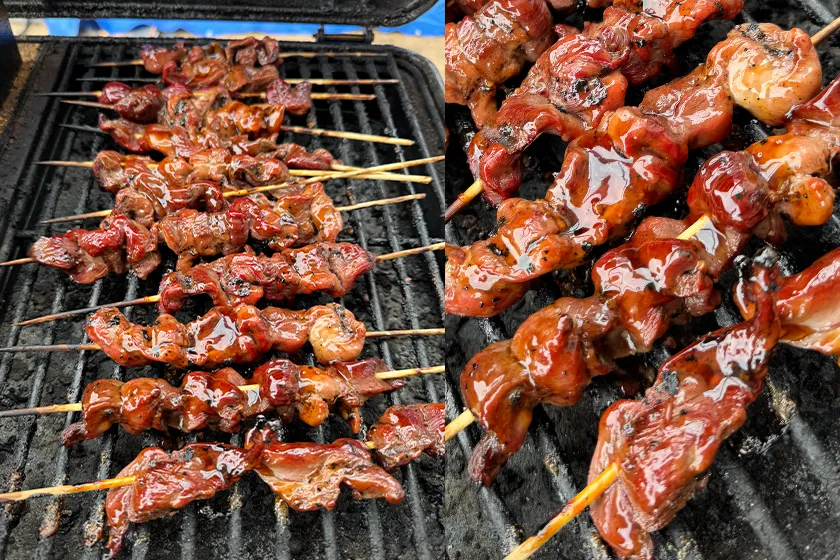
Serve these straight off the skewer with rice, grilled vegetables, or eaten standing around a fire with a cold drink in hand.
From river to plate. Exactly how it should be.
Check out more From Field to Plate on social media: Facebook/Instagram/YouTube/X