The air hangs thick down here in the South, heavy as a wet burlap sack. It smells of pine needles baking in the sun, damp earth, and something wild, something primal. That’s the smell I chase. Not just the scent of freedom that comes with being deep in the woods, but the tang of opportunity, the promise of a hard-won meal. I’m talking about wild hogs.
Now, I am not your fancy, khaki-clad tourist out for a guided hunt. I’m a boots-on-the-ground kind of fella, drawn to the untamed corners of this country. Wild hogs, they’re a force of nature down here. Smart, destructive, and plentiful. And while some folks see them as a nuisance, tearing up fields and forests, I see a challenge, and more importantly, a damn fine ingredient waiting to be respected and transformed.
Days in the swamp blur together. The crunch of dry leaves underfoot, the buzzing symphony of insects, the sudden rustle in the underbrush that sends your heart hammering against your ribs. Tracking a sounder of hogs isn’t for the faint of heart. They’re quick, they’re cunning, and they know these woods better than you ever will. But there’s a thrill in the chase, a primal connection to the land and the hunt that’s hard to put into words. It’s about patience, reading sign, and knowing when to make your move.
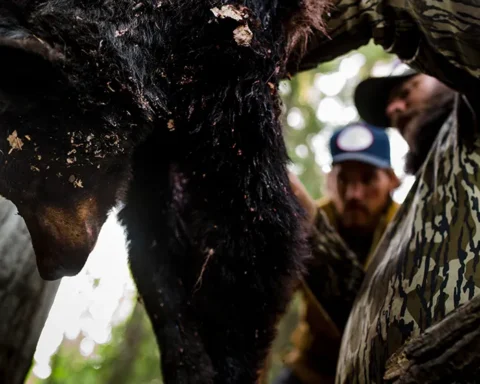
When the moment finally comes, the adrenaline spikes. The sharp crack of the rifle echoes through the trees, followed by the heavy thud of a successful hunt. There’s a weight to that moment, a respect for the life taken. It’s not a game; it’s providing, it’s a connection to a way of life that runs deep in this Southern soil.
The real work begins after the shot. Field dressing under the humid Southern sun is a gritty affair, but it’s a necessary part of the process. Every cut is deliberate, every movement mindful. This isn’t store-bought meat wrapped in plastic; this is a creature that lived wild and free, and it deserves to be handled with care.

Back at camp, the air fills with the aroma of woodsmoke. There’s a certain camaraderie that builds around a crackling fire after a long day’s hunt. Stories are shared, jokes are cracked, and plans for the feast begin to take shape. And that’s where the magic truly happens.
See, my hunting trips aren’t just about the thrill of the chase. They’re also about the inspiration I draw from the land and the people who call it home. The South, with its rich culinary heritage, has a way of seeping into your soul. It’s in the slow-cooked flavors, the bold spices, and the way folks turn simple ingredients into something extraordinary.
I’ve spent hours talking to folks in roadside diners and smoky barbecue joints, soaking up their knowledge like a sponge. I’ve learned about the power of low and slow, the secrets of a good rub, and the comforting embrace of true Southern hospitality, often served on a paper plate with a side of sweet tea.
This trip, as I sat by the fire, the image of fluffy, golden hushpuppies kept dancing in my head. But not just any hushpuppies. I wanted to elevate them, to make them a foundation for the bounty we’d brought out of the swamp. And that’s how the idea for hushpuppy waffles was born.
Now, hold your horses, I know what you’re thinking. Waffles made from hushpuppy batter. Sounds a little crazy, right? But trust me on this one. The cornmeal gives them a delightful texture, slightly crisp on the outside and soft on the inside, with that subtle sweetness you expect from a good hushpuppy. Cooking them in a waffle iron adds those perfect little pockets to cradle all the goodness that’s coming next.
While the waffle iron heated up, the wild hog shoulder was slow cooking in the smoker, infused with the smoky kiss of hickory. I’d rubbed it down with a blend of brown sugar, paprika, garlic powder, onion powder, a pinch of cayenne for a little kick, and of course, plenty of salt and pepper. Hours later, the meat was fall-off-the-bone tender, the kind that practically shreds itself with a gentle tug of a fork.
Next came the fried pickles. A Southern staple that many have grown to love. The tangy crunch provides a perfect counterpoint to the richness of the pork and the sweetness of the waffles. Simply sliced dill pickles dredged in seasoned flour and cornstarch, then fried until golden and crispy. Don’t knock it ’til you’ve tried it.
To bring it all together, I whipped up a simple honey butter. Softened butter, a generous drizzle of local honey, and a pinch of salt whipped until light and fluffy. That sweet, creamy goodness melting into the warm hushpuppy waffles is pure magic.
The final touches were a sprinkle of fresh, sharp green onions for a bit of brightness and a generous drizzle of my favorite smoky barbecue sauce. The tang, the sweetness, the spice – it tied everything together, a final flourish to this wild, Southern-inspired creation.
The first bite was a revelation. The slightly sweet and corny waffle, the tender, smoky pulled pork, the tangy crunch of the fried pickle, the creamy sweetness of the honey butter, and the zing of the barbecue sauce. It was a symphony of textures and flavors, a testament to the bounty of the land and the ingenuity of Southern cuisine.
This isn’t just food; it’s a story. A story of the hunt, of the land, and of the enduring spirit of Southern cooking. And every time I take a bite, I’m reminded that the best flavors are often found off the beaten path, in the heart of the wild, and in the soul of a truly inspiring cuisine. So next time you see a wild hog, don’t just see a pest. See potential. See a taste of the South waiting to be unleashed. You might just surprise yourself with what you can create.
From the Wild to the Waffle: Wild Hog Hushpuppy Waffles with Fixin’s
This recipe is a tribute to the untamed spirit of the wild hog and the comforting embrace of Southern cuisine. It takes a humble hushpuppy and elevates it to a whole new level, creating a unique and delicious foundation for tender pulled wild boar and crispy fried pickles.

Smoked Pulled Wild Boar
Smoking wild boar takes time, but the flavor payoff is absolutely worth it. You’ll want good smoking wood – hickory, oak, or even apple wood would be excellent choices for wild game.
Ingredients:
- 2-3 lbs wild boar shoulder (or Boston butt), bone-in preferred
- Wild Boar Rub:
- 2 tbsp brown sugar
- 1 tbsp smoked paprika
- 1 tbsp garlic powder
- 1 tbsp onion powder
- 1 tsp cayenne pepper (adjust to your spice preference)
- 1 tsp black pepper
- 1 tbsp kosher salt
- 1 cup apple cider vinegar (for spritzing)
- Aluminum foil or butcher paper
- Your favorite smoky BBQ sauce, for drizzling
Equipment:
- Smoker (pellet, offset, or electric)
- Meat thermometer (leave-in probe recommended)
- Spray bottle
Instructions:
- Prepare the Boar: Pat the wild boar shoulder dry with paper towels. In a small bowl, combine all the ingredients for the Wild Boar Rub. Rub the mixture generously all over the boar shoulder, pressing it into the meat. For best results, cover and refrigerate overnight to allow the flavors to penetrate. This is especially beneficial for wild game.
- Prepare the Smoker: Fill your smoker with your chosen wood (hickory or oak work great for pork). Preheat your smoker to a consistent temperature of 225-250°F (107-120°C).
- Smoke the Boar (Phase 1 – Bark Development): Place the seasoned boar shoulder directly on the grates of your smoker. Smoke for 3-4 hours, or until a beautiful, dark “bark” (crust) has formed on the outside of the meat. During this phase, you can begin to spritz the boar with apple cider vinegar every hour or so. This helps keep the surface moist and promotes bark formation.
- The Stall & Wrap (Phase 2 – Tenderizing): Once the internal temperature reaches around 150-160°F (65-71°C), the meat may hit “the stall” where its temperature plateaus. This is normal. At this point, remove the boar from the smoker.
- Wrap: Place the boar shoulder on a large sheet of heavy-duty aluminum foil or butcher paper. If using foil, pour about 1/4 – 1/2 cup of apple cider vinegar into the foil packet before sealing it tightly. This helps braise the meat and prevent it from drying out.
- Return to Smoker: Place the wrapped boar back on the smoker.
- Finish Smoking (Phase 3 – Pulled Pork Perfection): Continue smoking the wrapped boar until its internal temperature reaches 200-205°F (93-96°C). This usually takes another 3-6 hours, depending on the size of the shoulder and smoker consistency. The meat should feel incredibly tender when probed with a thermometer.
- Rest the Boar: Once the boar reaches the target temperature, remove it from the smoker (still wrapped) and transfer it to a cooler or insulated container. Let it rest for at least 1-2 hours. This resting period is crucial for the juices to redistribute, resulting in more tender and flavorful pulled pork.
- Shred the Pork: After resting, unwrap the boar. Be careful, as there will be a good amount of flavorful liquid in the wrap. Strain this liquid and reserve it. Place the boar on a large cutting board. Using two forks or bear claws, shred the meat, discarding any large pieces of fat or gristle.
- Moisten: Add about 1/2 to 1 cup of the reserved cooking liquid back to the shredded pork, tossing to moisten. This keeps the pork succulent. Keep warm until ready to serve.
Golden Hushpuppy Waffles
These aren’t your average hushpuppies – they’re crisp on the outside, tender on the inside, and perfect for holding all the delicious toppings.
Ingredients:
- 1 1/2 cups yellow cornmeal
- 1/2 cup all-purpose flour
- 2 tbsp granulated sugar
- 1 tbsp baking powder
- 1/2 tsp baking soda
- 1 tsp salt
- 1/4 tsp cayenne pepper (optional, for a little kick)
- 1 large egg, beaten
- 1 1/2 cups buttermilk (or milk with 1 tbsp vinegar/lemon juice, let sit 5 mins)
- 1/4 cup finely chopped yellow onion (about half a small onion)
- 2 tbsp chopped fresh parsley (optional, for color and freshness)
- 2 tbsp melted butter or vegetable oil, plus more for greasing waffle iron
Equipment:
- Waffle iron
Instructions:
- Whisk Dry Ingredients: In a large bowl, whisk together the cornmeal, flour, sugar, baking powder, baking soda, salt, and cayenne pepper (if using).
- Combine Wet Ingredients: In a separate medium bowl, whisk together the beaten egg and buttermilk.
- Mix Wet into Dry: Pour the wet ingredients into the dry ingredients. Stir just until combined; do not overmix. A few lumps are okay.
- Fold in Aromatics: Gently fold in the finely chopped onion and fresh parsley (if using). Stir in the 2 tbsp melted butter or oil.
- Heat Waffle Iron: Preheat your waffle iron according to the manufacturer’s instructions. Lightly grease with butter or oil if it’s not non-stick.
- Cook Waffles: Pour about 1/2 to 3/4 cup of batter onto the hot waffle iron (the amount will depend on your waffle iron size). Close the lid and cook until golden brown and crispy, typically 3-5 minutes.
- Keep Warm: Transfer cooked waffles to a wire rack set over a baking sheet in a warm oven (around 200°F / 95°C) to keep them warm while you cook the remaining batter.
Crispy Fried Pickles
A tangy, crunchy counterpoint that’s essential for this dish.
Ingredients:
- 1 (16 oz) jar dill pickle spears or chips, drained and patted very dry
- 1/2 cup all-purpose flour
- 1/2 cup cornstarch
- 1 tsp salt
- 1/2 tsp black pepper
- 1/2 tsp smoked paprika
- 1/4 tsp cayenne pepper (optional)
- 1 cup buttermilk
- Vegetable oil, for frying
Equipment:
- Deep pot or Dutch oven for frying
- Wire rack set over paper towels
Instructions:
- Dry Pickles: This is crucial for crispiness! Lay the drained pickle slices/chips on a paper towel-lined baking sheet and blot them thoroughly. Let them air dry for at least 15-20 minutes while you prepare other components.
- Prepare Dredging Stations:
- In a shallow bowl, whisk together the flour, cornstarch, salt, black pepper, smoked paprika, and cayenne pepper (if using).
- In another shallow bowl, pour the buttermilk.
- Heat Oil: Pour about 2-3 inches of vegetable oil into a deep pot or Dutch oven. Heat over medium-high heat to 350°F (175°C). Use a thermometer to monitor the temperature.
- Dredge Pickles: Working in small batches, dip the dried pickle slices into the buttermilk, letting excess drip off. Then, dredge them in the flour mixture, ensuring they are fully coated. Shake off any excess flour.
- Fry Pickles: Carefully add the coated pickles to the hot oil, being careful not to overcrowd the pot. Fry for 2-4 minutes, turning occasionally, until golden brown and crispy.
- Drain: Using a slotted spoon or spider, remove the fried pickles and transfer them to the wire rack set over paper towels to drain excess oil. Sprinkle lightly with a little more salt if desired. Repeat with remaining pickles.
Honey Butter
Simple, sweet, and melts perfectly into the warm waffles.
Ingredients:
- 1/2 cup salted butter, softened
- 2 tbsp honey (local honey is great!)
Instructions:
- In a small bowl, combine the softened butter, honey.
- Using a fork or a hand mixer, whip until light and fluffy.
Assembly & Garnish
Ingredients:
- Cooked Hushpuppy Waffles
- Warm Smoked Pulled Wild Boar
- Crispy Fried Pickles
- Honey Butter
- BBQ sauce, for drizzling
- Green onions, thinly sliced (for garnish)
Instructions:
- Place a warm Hushpuppy Waffle on a plate.
- Spread a generous dollop of Honey Butter over the waffle.
- Pile a hearty portion of the warm Smoked Pulled Wild Boar on top.
- Arrange several Crispy Fried Pickles around the pork.
- Drizzle generously with your favorite BBQ sauce.
- Finish with a sprinkle of thinly sliced green onions.
- Serve immediately and enjoy your wild, Southern-inspired feast!
Check out more From Field to Plate on social media: Facebook/Instagram/YouTube/X