So you got your conceal carry permit and purchased your first pistol. Now you can check the box that says “I’m protected.” As you can tell from the title of this blog, that’s not how it works. Owning a gun does not equal preparedness. Too many people fall into this category that owning a gun means you’re ready for a dangerous situation. Hard fact, it doesn’t. A gun is nothing more than a tool. It’s no different than handing someone a drill set in forward drive and telling them to remove a screw. You’ll just drive the screw deeper since you don’t understand how the tool works. “Driving the screw” in the scenario where the gun is the tool means someone is digging a hole, for you. Without the right mindset, training, and preparation, it’s no more effective than any other unused gear collecting dust. The truth is this: having a gun isn’t a plan. It’s a starting point.
Security Starts With Training
It starts with understanding your firearm. From how it works, how you carry it, how you draw, and how you follow your shot. The next step is dry fire, it’s a safe and cost effective way to get comfortable with your firearm. Utilizing dry fire helps develop good muscle memory that will be essential in a real world scenario. Practicing your draw, sight alignment, trigger press, reloads, and even malfunctions with dummy ammo all create a solid foundation. When these movements become natural and a threat arises you’ll have more mental strength to assess the situation and make controlled decisions.
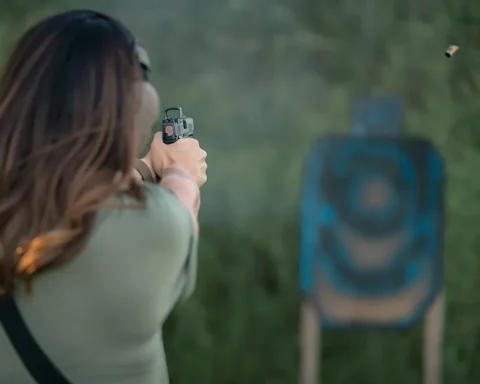
Next is live fire. Another crucial step in being prepared. This time isn’t just going to be about accuracy though, there is much more to consider. Sure, shooting tight groups is great but can you do it while walking to cover? Can you do it one handed and in awkward positions? Take time to research drills that can help you build trust in yourself in these situations. Also take a look at your local range to see if they offer a defensive pistol league. Don’t be the weekend range warrior that goes through boxes of ammo without gaining any defensive knowledge.
The main goal is to be prepared to fight with a firearm if it becomes necessary. Not to be just a good shot, not to just know a lot about the brands of firearms. It’s all about being prepared. This training shouldn’t keep you in your comfort zone. It should make you question your skills, reveal weaknesses, and possibly be a little angry with yourself. If you don’t feel this way, you need to switch something up.
It’s a Lifestyle
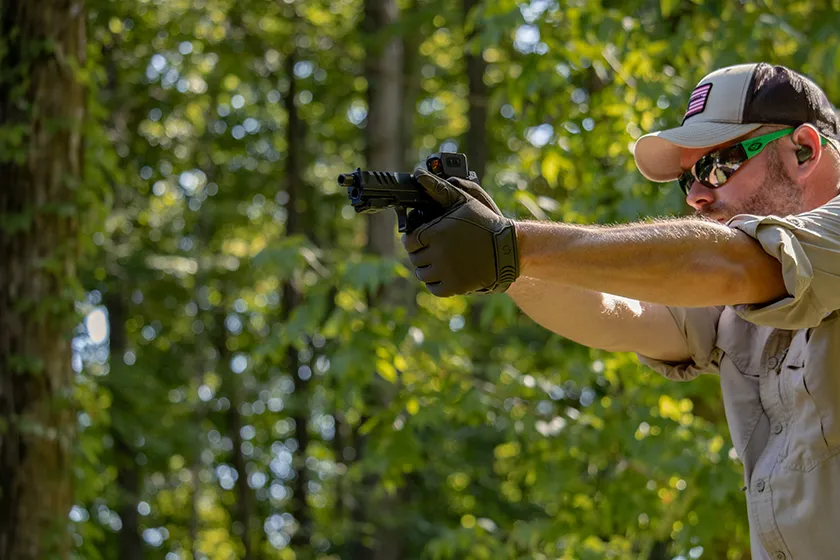
Concealed carry requires daily intention. One of the most overlooked aspects of preparedness is actually how you carry. If you haven’t thought about how your firearm fits into your everyday life with your clothing, movement, accessibility, and comfort, you’re setting yourself up for failure. Different outfits require different carry methods. A compact pistol with a solid holster might be ideal under a hoodie or a baggy shirt, but what about summer wear? Gym shorts? Business attire? Do you have an option for each scenario, or are you choosing comfort over carrying?
Concealed carry isn’t just about the firearm. What about a spare mag? What about medical gear? Have you practiced using those under stress? Are you mentally ready to apply first-aid if someone gets hit, including yourself or a loved one? Carrying is a 24/7 responsibility. If you’re not prepared to commit to that lifestyle, you’re not truly prepared to carry. A gun in your waistband without the proper mindset is like a fire extinguisher in your kitchen that you’ve never read the instructions for. When seconds count, knowing how to use your tools and having them with you is everything.
Mindset, Situational Awareness, and the Aftermath
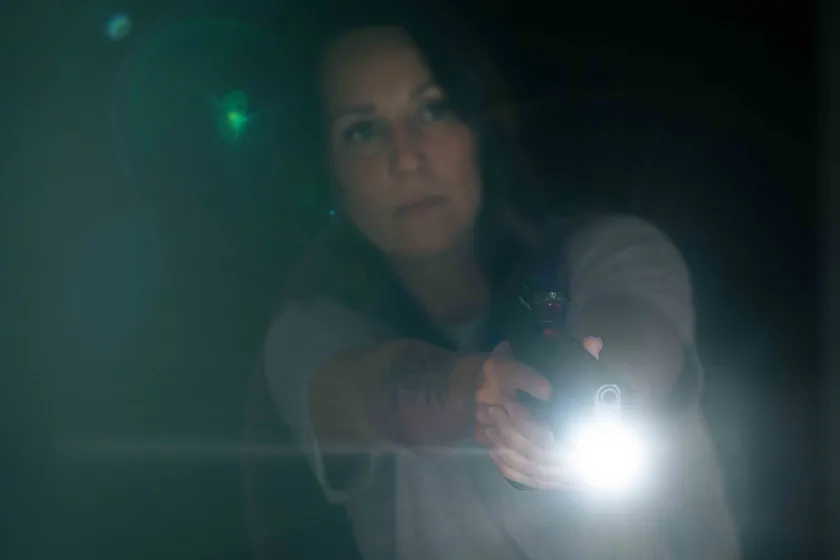
Ultimately, the most powerful weapon you have is your mind. The best people who conceal a firearm don’t just train themselves on how to shoot, they train their minds. Situational awareness is one of the most important aspects in carrying a firearm. Are you scanning your environment? Do you know where exits are, potential threats and how they can enter your area? The bottom line is; do you have a plan before an attack happens?
Obviously the goal is to never use your firearm. You should avoid every situation where you think it may be likely. But if the worst happens you need a plan for more than just the draw. Are you prepared to meet law enforcement? Make sure you know the laws and be prepared. Surviving the fight is just the beginning if an event happens. Don’t be caught between miscommunication with law enforcement. Think now, be thankful for it later.
The Plan
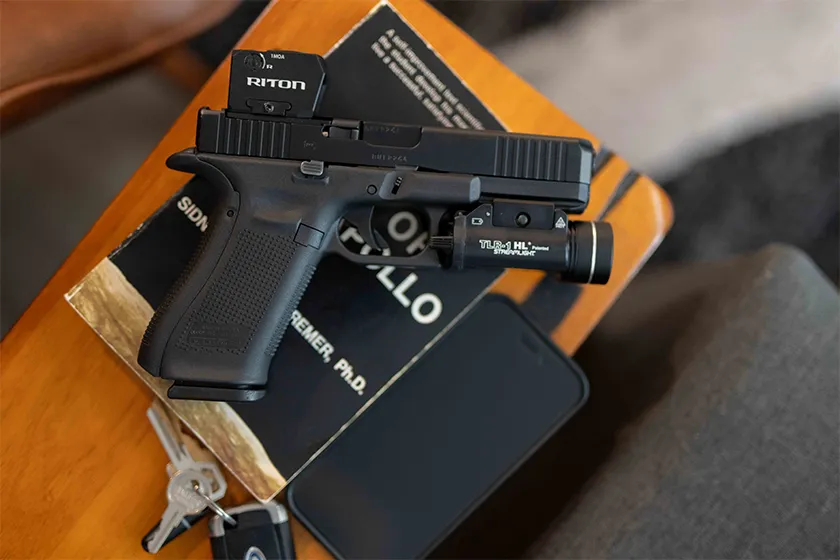
Having a gun isn’t a plan, it’s a piece of the puzzle. Without training, without purpose, without consistency, and without a thoughtful approach to carrying every day, that gun can become more of a liability than asset. Concealed carry isn’t about being paranoid or playing hero. It’s about protecting yourself and others with the right combination of skill, mindset, and preparation. Don’t stop at the permit. Don’t stop at buying the gun. Start training, stay ready, and build a plan that’s as serious as the responsibility to carry.