It’s nearing the end of the turkey season and either you just thought about picking up a tag or you didn’t have any luck in the early season. There is still time to bag that trophy tom, however the approach in doing so is a little different. In the late season, turkeys become more wary than they already are. Having a few encounters with other hunters they know what to look for and will high tail it out of the area with any sudden movement. But don’t be discouraged as there are a few tweaks you can make to your strategy to make your spring turkey hunt a successful one.
Understanding Behavior
Turkeys relatively stick to the same patterns as far as feeding and roosting go into the late season, given they haven’t been spooked by another hunter. But something that does change is the vocal patterns. By now most of the hens have been bred, thus causing a change in the way the toms respond to calls. They’ll be harder to locate too as gobbling does diminish quite a bit. Instead of calling, pay attention to where they like to feed. Look for subtle clues like droppings or tracks to find high traffic areas. After you’ve determined a spot, set up near it about 100-200 yards away.
Calling
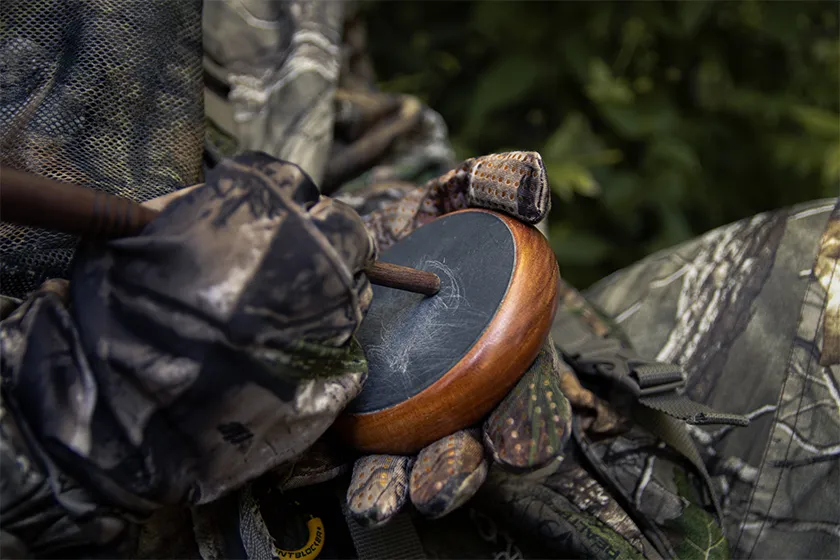
Like mentioned before, turkeys are not as vocal during this time of the season. This should also dictate when and how you present the call to them. Since they aren’t aggressively gobbling anymore, you don’t want to be the only one in the woods doing so. Stick to soft and realistic hen calls. Use clucks, purrs, and yelps in a sparing manner. Doing this will be more natural given the time frame and you may be able to pull a curious tom over.
Your Hide
Considering turkeys are more cautious during this part of the season your hide needs to be as unnoticeable as possible. Sitting still along a tree in the early season may have worked but it might be best to go with a blind so you can hide your movement easier. When setting up a blind make sure to conceal it in brush so it doesn’t look like a new bush showed up overnight, they’ll spot this and avoid you completely.
If you do decide to sit on the ground with no artificial cover, make sure you are concealed. Use brush to your advantage to hide your outline, this will make you less noticeable as well as hiding movement when you need to shoulder your gun.
Your Decoy Setup
In the early season having the strutting tom and a few hens out is ideal given the conditions of the hunt. However, for late season this is not the case. Turkeys tend to be more wary of large decoy spreads as it becomes unnatural later in the spring. The toms will start to single off, hens will start to go their own way for nesting, and the non-breeding jakes will group up together. Ideally for a late season decoy setup you should either have a single hen decoy or a hen and a jake. These setups can bring in curious toms that aren’t quite finished breeding. Avoid tom decoys altogether, they can intimidate other toms that are hesitant to challenge a dominant bird this late in the game.
Don’t Give Up
Hunting late season turkeys can be quite the challenge. It’ll take a lot of patience and adaptability. But once you can understand their behavior and refine your techniques to suit the changes, the birds will present themselves.
If you end up tagging that trophy bird, make sure to share your hunt with us on social media by using the hashtag #rightplacerighttimeriton