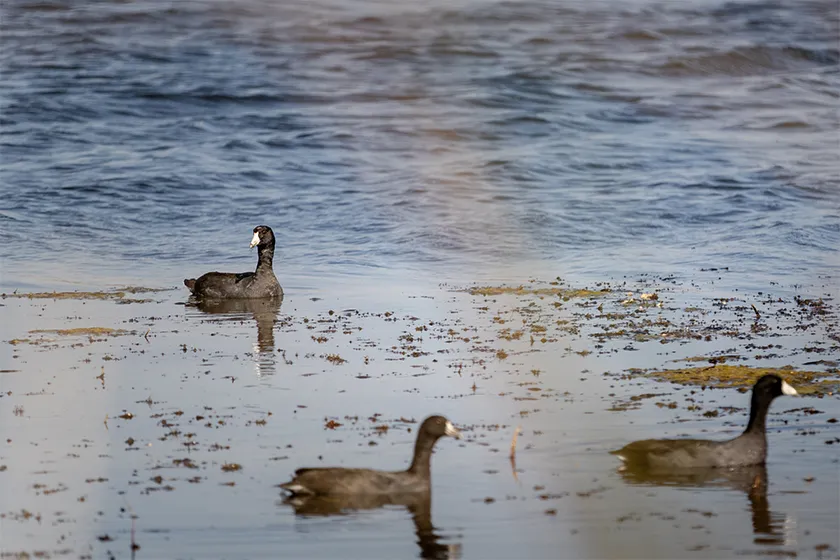
If you’ve ever stepped foot in the slough for waterfowl season you’ve likely seen a mess of black birds with white beaks swim into your decoys. The coot—often regarded as a trash bird, is one of the most abundant birds you’ll see while waterfowl hunting. But why are they considered trash? Is it the tablefare, the sporting aspect, or something else? In this blog we are going to set out and analyze this bird for what it is. Are the rumors of the trash bird true, or just passed down legends that turn people away from another game bird?
Where to find Coots
The simple answer to locating coots is to look in sloughs. These birds are not like mallards or geese that will feed in a corn field. They like aquatic vegetation, insects, and snails. Because of this you will need to find areas where this sort of food is abundant. Sloughs with a large amount of cattails and reeds are the best sort of habitat. These areas provide the necessary food and cover the birds need to thrive. So if you head out scouting, look for sloughs with cattails or reeds that are thick and provide little open water. If you can see the shoreline on the other side, you aren’t in an ideal spot.

How to Shoot Coots
Coots are often called stupid birds. Easy enough to pot shoot as they swim into your duck decoys as they never seem to notice hunters tucked away in a blind. But once you set out to hunt them, they may change your mind. Coots provide three unique ways of hunting. Each way has its own difficulties and fun to go along with it.
- Bird by Chance: The most common way coots are taken is when they swim into a waterfowl hunters decoys. Sometimes they will fly in and land too but 9 times out of 10 they will swim in to say hi. If the hunt gets a little boring hunters may just take the shot to liven up the slough. This may not be the most effective way to get your limit of coots but unless you head to the slough to specifically target them, this is a tried and true method.
- Hunting Over Decoys: The second method, and by far the easiest is to head out to the slough with coot decoys. Often used as a confidence decoy when duck hunting, coot decoys provide you with the most likely scenario that coots will fly or swim into your spread. Coots are very social birds, you will usually find them grouped up together in flocks of around 15-30 birds. So if you place a few coot decoys out you’ll be sure to have a few come check out your setup.
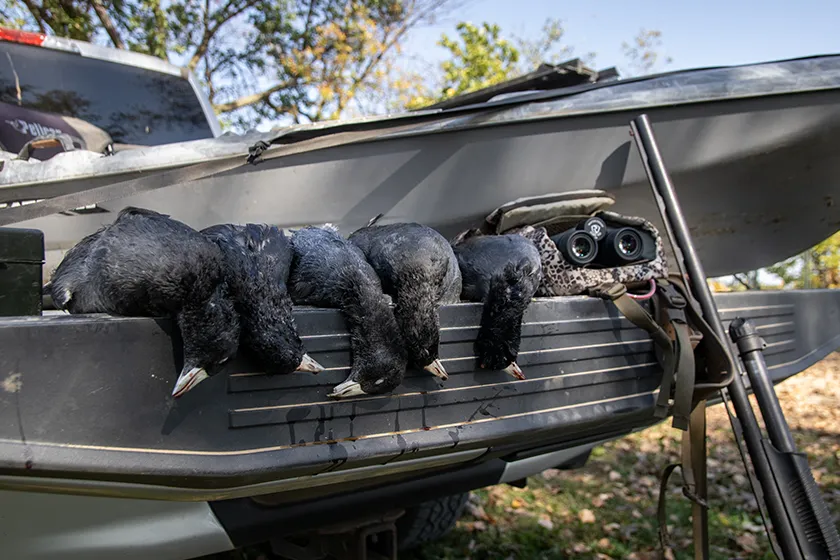
- Jump Shooting: If you’ve done your scouting and found a slough with many coots, jump shooting is one of the funnest ways to hunt them. This method presents a challenge not often found in waterfowl hunting. When we are talking about jump shooting coots you’ll either be doing it from a kayak or a canoe. The reason for this is most of the time the water is too deep to wade and larger boats can’t make it through the dense rushes. There is also the benefit of being stealthy with these two types of watercraft. Since coots travel in groups you are usually able to get a significant amount of birds. But this grouping does present some downsides. They have great vision and also hearing. Coots like to get up right outside of shooting range and if they hear you splashing your paddle in the water nearby, they’ll scurry out of there in no time. If you’re lucky you may stumble upon a group that didn’t hear or see you coming but more than likely this is not the case. You are best to still paddle towards these large groups and when they break up watch where they go. Picking off a single coot is the easiest way to shoot one. They can’t rely on all the other eyes and ears out there and won’t spook nearly as often. Once you find a single and it all pans out it is one of the most rewarding feelings.
After reading the main methods of taking coots you may be wondering if you’ll ever shoot a flying bird. Coot hunting is not at all like other types of bird hunting. More than likely most of your shots will be sitting birds on the water. Now this isn’t always the case, sometimes they will fly into your decoys or you can get a shot off when they try to scurry away from you. But the most likely scenario is taking a bird on the water.
To put it in perspective it would be like only shooting squirrels on the ground. Well that’s not right, squirrels are shot out of trees. Putting this rule on squirrel hunting takes the nature out of the sport. The same goes for coots, shooting a coot in the air is like shooting a squirrel on the ground, it just doesn’t happen that often.
Some say it’s unsportsmanlike to shoot a bird on the water, and for other game birds it can be, and also a danger to hunting dogs or other people. As always, consider the safety of your shot and where pellets could fly with a miss or ricochet.
How to Clean Coots
After shooting a few coots it will be time to clean them up for a meal. Coots are possibly one of the easiest birds to clean next to ruffed grouse. If you are familiar with ruffed grouse, you might just know the method we’re about to introduce.
Lay your bird on the ground with its chest facing you. Then take your feet and step on the wings making sure you are as close to the body of the bird as possible. Then grab the feet of the bird and pull up. The breast and the wings will be on the ground and the legs and thighs in your hands. You can then cut the wings off and put the breast in a container for storage. The legs and thighs can then be cut out and put away as well.
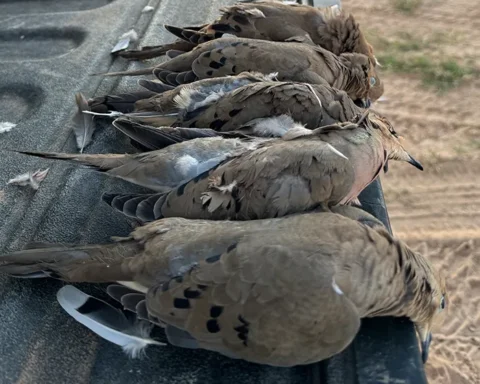
Sometimes with a bird that has been shot in the wings this method will not work. If this happens, just make a small incision in the breast and pull back the skin. Tear the breast out similar to the way you would clean a mourning dove. Legs and thighs are also easily accessible to take too.
Something to note if you are curious about using the entire bird, is the size of the gizzard. Coots have a gizzard that is about half the size of their body. You probably wouldn’t be able to tell the difference between a turkey gizzard and coot if they were right next to each other. The process is long for cleaning gizzards but if you like to eat them, they are worth the effort.
How to Cook Coots
The final step in taking any sort of game is cooking it. With coots it is no different. There are many different ways to cook a coot. Some recipes online poking fun at the idea of eating one at all. But most likely the person who poked fun at the idea has never tried one.
For our recipe we went with the crockpot. We wanted to taste the true flavor of the bird and didn’t go with any fancy seasonings or marinade. Find the recipe below.
Crockpot Coot
Preparation: Once field dressed and washed soak coot in salt water in the refrigerator for 3 days.
Cooking:
- Wash birds after removing them from the salt bath.
- Add 1-2 inches of water to the crockpot.
- Season with salt, pepper, onion powder as desired.
- Add hickory smoked bacon on top.
- Let the crockpot sit for 8 hours on low.
- Once time is up eat or pull meat from bones.
Trash or Treasure?
Are the rumors of a coot true? Is it really a trash bird?
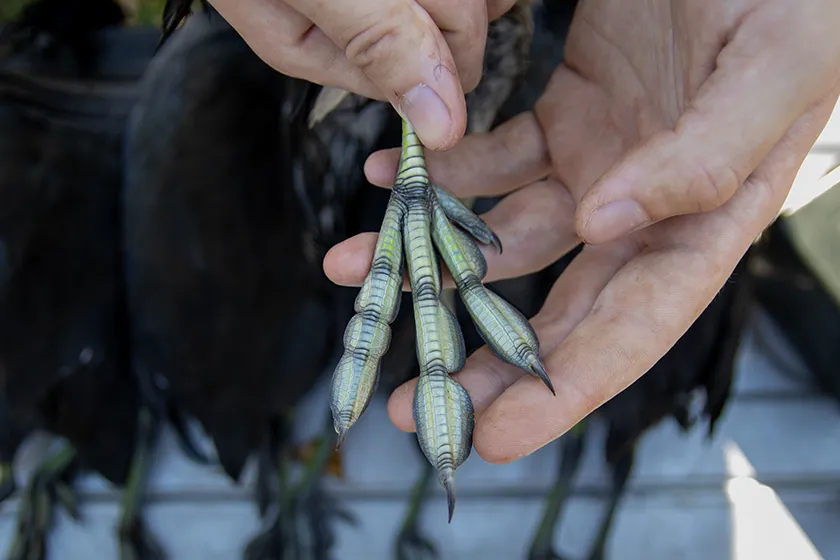
The pursuit of this bird is unlike any other. Sure they can stumble into your duck decoys and you can take an easy shot but when you actually target them, this is not the case. In our scenario we chose to jump shoot them. Taking a kayak through a cattail slough filled with coots. From the moment our paddle hit the water you could hear coots skipping across the water with their webbish looking feet. Paddling a kayak through the slough glassing the water in search of this bird gives you a different approach to waterfowl hunting. Once you see a group of 30 birds 150 yards away you make a paddle towards them. If you’re lucky they won’t get up out of shooting range. But most of the time for us they would scatter into the vegetation. This is where paddling around and finding singles paid off. This is also where we learned coots have great hearing. You could be on one side of some thick cattails and you’d hear them splashing away on the other side without seeing a trace of them. This sort of hunting felt more like a spot and stalk than a jump shoot. This is an all around different approach to hunting a small game animal that we think everyone would enjoy.
The tablefare of this bird truly gave us a surprise. With the recipes online calling to cook a coot in the oven on a piece of cardboard and once it was done you’d throw away the coot and eat the cardboard, we didn’t have high expectations. But this sort of claim is entirely false, almost a disrespect to the bird itself. This bird has a mild taste with almost zero gamey flavor at all. With the recipe we tried it was tender as can be and about as true as the natural flavor as we could get. No spicy cover up, just salt, pepper, and onion powder. The closest gamebird we could compare it to would be a canada goose cooked in the same manor, low, slow, and moist. But the key difference is goose tends to have a strong flavor or taste a little gamey. The coot however did not present any sort of gamey profile. It actually was so mild of a meat some more type of seasoning would liven up the flavor of the bird. If you’re not a fan of gamey flavored meat but like to waterfowl hunt we would 100% recommend targeting these birds for a solid meal. One thing to note however is that coot do not make great leftovers. The taste changes completely after a night or two in the fridge and it becomes a strong gamey flavor. So when you prepare coot, eat it all during that meal.
So is this bird trash or treasure?
After heading out and experiencing the hunt and then bringing it back to the kitchen, our conclusion is that the rumors are false and this bird is indeed a treasure!