Having a successful hunting season means different things to people. From shooting big bucks or just filling the freezer, we all have a similar goal — to tag out. This year we talked to some of our partners that have had successful hunts year after year. We asked them a few questions and the knowledge they gave us can make a big difference while you’re in the field. If you are looking for success this hunting season, you’ll want to check this out.
Underrated Advice for Success
Q: What’s the most underrated advice you would give someone about how to have a successful season?
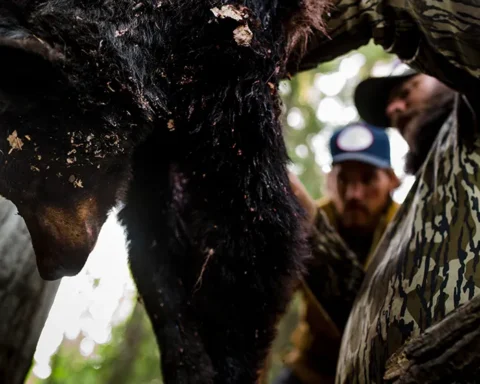
Jeremiah From Field to Plate: Understanding recovery and butchering: Too many hunters only prepare for the shot. However, knowing how to blood trail, recover, quickly cool, and break down meat, especially in warmer climates, can make the difference between a season that fills your freezer with quality meals and one that ends in spoiled meat.
Eric from Okayest Hunter: It depends on how you define success. To me, success isn’t just a filled tag or inches of antler. Those things are great, but they’re not the full picture. Hunting only comes around once a year, and every season has value if you treat it as a chance to learn. Each year teaches you something new that carries into the next one. So my most underrated advice? Soak it in. Be present. Cherish the little moments afield, especially when you’re out there with people you love. That mindset will make every season successful, no matter what ends up on the meat pole.
Mike Mcferrin from Legends of the Fall: When the season feels slow or you haven’t had success, don’t let frustration make you sloppy. The key is to hunt the very last day with the same discipline, focus, and attention to detail as you had on opening morning. Consistency from start to finish is what gives you the best chance for success.
Dan Schmidt from Deer and Deer Hunting: The most underrated advice I could give would be to really pay attention to your entry and exit routes to and from your stands. So many guys don’t know they are spooking deer simply by the route they take to their stands. The scent trail — no matter how much effort you make — can spook deer long after you’ve hunted the spot.
Off-Season Work That Pays
Q: What’s one thing you think more people should spend time doing in the off-season to help the success of their hunting season?
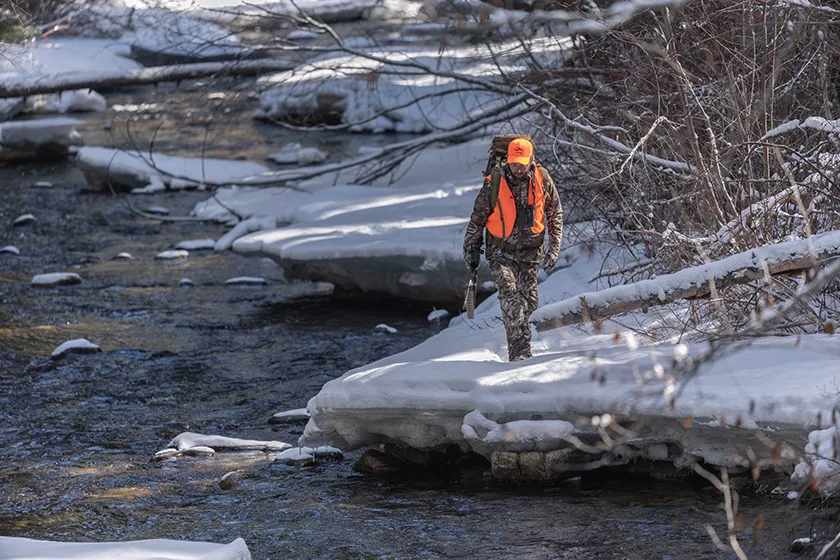
Jeremiah From Field to Plate: If there’s one thing hunters should spend more time on in the off-season, it’s learning their ground without the pressure of a tag in their pocket. Walk it in spring and summer, pay attention to wind, tracks, food sources, and bedding cover. I have trail cameras running year-round, just to see what the critters are doing all year long. This is when you see the patterns that make the difference come fall. Pair that with two things: practice and preparation. Shoot from hunting positions, not just a bench, and train your body with hikes or pack workouts so you can go farther and last longer.
Eric from Okayest Hunter: If you ask most hunters what you should be doing in the offseason to set yourself up for success, you’ll probably hear the same thing I’d say: scout more. Put boots on the ground. Study historical rubs, figure out where deer were moving during the times you plan to hunt, and use that intel to predict next season’s patterns. Beyond that, I like to dig into YouTube shows that cover the same terrain types or even the same state I hunt. When you’re obsessed with whitetails, you can’t help but think about it year-round. Podcasts are great too, but here’s the kicker: if you don’t actually try out what you’re learning, you’re just stuck in analysis paralysis. Knowledge without action won’t make you a better hunter — getting out there and putting it into practice will.
Mike Mcferrin from Legends of the Fall: For me, it’s an easy one — preparation. The more time you put into scouting, dialing in your gear, shooting, and studying your spots in the off-season, the more second nature it all becomes when it counts. Success in the season is built long before opening day.
Dan Schmidt from Deer and Deer Hunting: Spend more time shooting your bows, crossbows and guns. A couple weeks before the season simply isn’t enough. That “weapon” needs to be an extension of yourself. It is no different than taking endless free throws in practice as a basketball player. That shot has got to be automatic. And that doesn’t happen overnight.
The Best Advice I’ve Got
Q: What’s the best advice you’ve received that changed the way you hunt?
Jeremiah From Field to Plate: The best advice I’ve ever received was, “The only shot you miss is the one you don’t take.” That completely changed the way I hunt. For years, I’d overthink, waiting for the “perfect” opportunity, only to watch animals walk out of my life. That advice taught me to trust my preparation and instincts. If I’ve done the work in the off-season, if I know my rifle or bow, and if the moment feels right, I need to take the shot. Hunting is full of what-ifs, but the regret of not squeezing the trigger when you had the chance weighs heavier than a clean miss. It reminded me that success comes from action, not hesitation.
Eric from Okayest Hunter: The single best piece of advice I’ve ever received — the one that completely changed how often I see mature whitetails on hoof — was this: hunt the spots nobody else wants to hunt. That means diving into areas that are so thick you can’t even find a decent tree to climb, or where setup options are limited and uncomfortable. Those are the places mature bucks gravitate to, and the same places that keep most hunters out. I proved it to myself on heavily pressured public land. While other hunters I ran into at the parking lot complained about seeing nothing, I was back in a nasty, overlooked pocket watching four different bucks that never left that core area. Now, tagging one of them is a whole different challenge — execution in the red zone is still on me — but that advice changed my approach and continues to create opportunities I never would’ve had otherwise.
Mike Mcferrin from Legends of the Fall: One of the best pieces of advice I’ve ever received was to avoid crossing game trails — or at least keep it to a minimum — on the way to your stand. It’s simple, but it reduces pressure, keeps deer moving naturally, and can make all the difference in how your hunt plays out.
Dan Schmidt from Deer and Deer Hunting: Best advice I ever got — or at least some of the best advice — came from longtime outdoor writer Gary Clancy, rest his soul. He told me the difference between a good deer hunter and a great deer hunter is someone who takes a TOTAL scent control approach to their game. Every single little detail has to be covered. When I did that, I saw my success rate skyrocket. Not just the easy things like washing your clothes and spraying down. Every little detail. Wind. Entry and exit routes. You name it. If the wind isn’t right, DO NOT hunt that stand. You have to have a backup plan.
My Lightbulb Moment in Hunting
Q: What was your “lightbulb moment” in deer hunting where things just clicked?
Jeremiah From Field to Plate: My lightbulb moment in deer hunting came when I learned the antonym of a deer, by which I mean butchering. Once I started breaking down animals myself, everything changed. I began to understand where every muscle, bone, and organ was on the inside. That knowledge gave me a new level of confidence in the field, because I knew exactly where my shot needed to go and what it would impact. Butchering taught me anatomy, and anatomy taught me shot placement. It turned guesswork into certainty, and that understanding has made me a far more effective and ethical hunter.
Eric from Okayest Hunter: I can’t say I’ve had that one big “lightbulb” moment yet — I’m still figuring things out every season. What has moved me further down the fairway though, are a couple of strategies that consistently pay off. One is using water to beat hunting pressure. Instead of just walking in from a trailhead, I’ll paddle my solo canoe and slip deeper into a property. It’s getting more popular, but it still puts me where fewer hunters go. Another is pushing into those tougher-to-hunt spots and getting as close to bedding as I can, even when setup options are limited. Those approaches have brought me some success, but nothing feels like a full “aha” moment yet. If anything, I think I’m starting to piece together patterns around bucks spending time near bedding close to rivers, creeks, or streams. It’s a constant process of learning and fine-tuning — and maybe that’s the real takeaway.
Mike Mcferrin from Legends of the Fall: My lightbulb moment was realizing how much deer rely on the wind. Once I truly committed to hunting the wind — every sit, every approach, every stand location — everything changed. You can have the best stand, the best gear, and the best preparation, but if the wind isn’t right, you’re just educating deer. Playing the wind consistently is the one thing that always works.
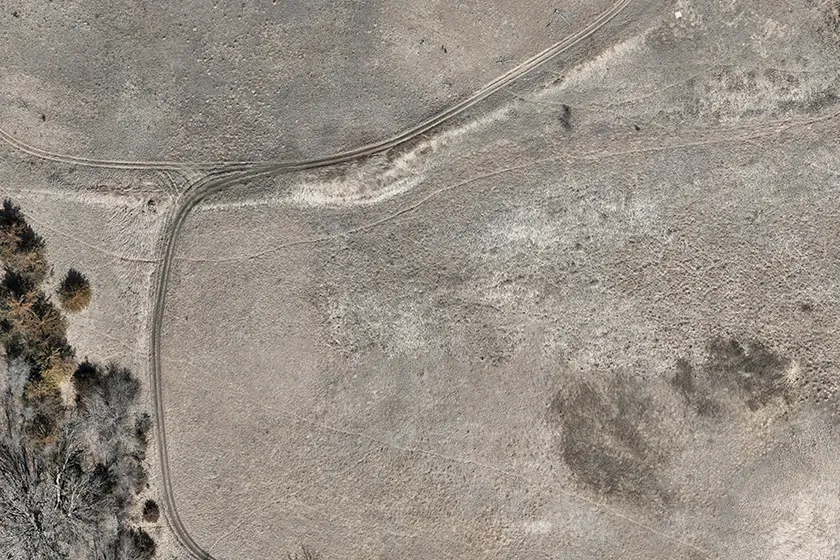
Dan Schmidt from Deer and Deer Hunting: My lightbulb moment came from advice from the late, great Charles Alsheimer, a dear friend and my mentor in this business. He taught me to take a bird’s eye view of any property I hunt and truly examine what the landscape was like 1 mile, 2 miles and even 3 miles beyond my spot. This helped me realize and calculate what my odds really are for harvesting an age-class of deer, or just deer in general. When you put that in perspective, along with everything I’ve learned from guys like John Ozoga on deer behavior, it’s so much clearer on what a property can and cannot produce.
Applying the Tips
At the end of the day, if you want to become a successful deer hunter that doesn’t rely on luck — you’ve got to prepare. Pay attention to the small details like wind, shot placement, and your hunting location. Apply these tips like your season depends on it, because it very well might.
Keep up with the pros on social this season too!
Jeremiah From Field to Plate: Facebook/Instagram/YouTube/X
Eric from Okayest Hunter: Facebook/Instagram/YouTube/X
Mike Mcferrin from Legends of the Fall: Facebook/Instagram/X
Dan Schmidt from Deer and Deer Hunting: Facebook/Instagram/YouTube/X