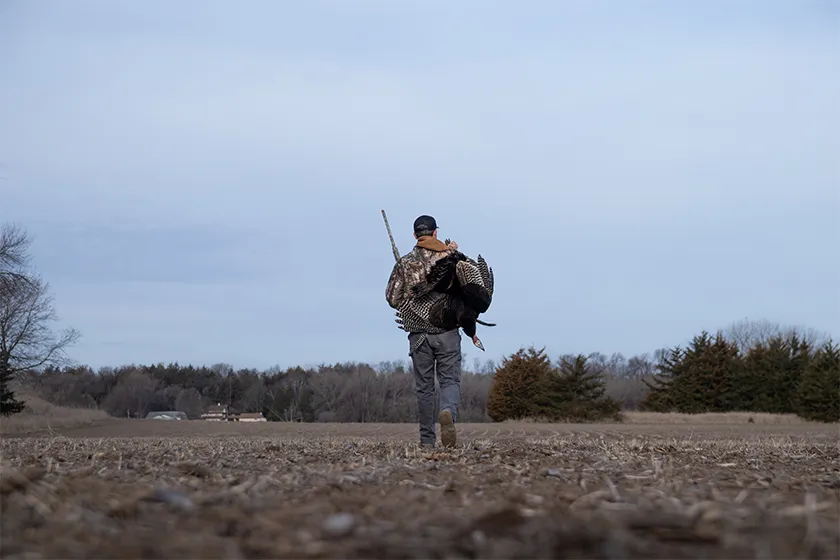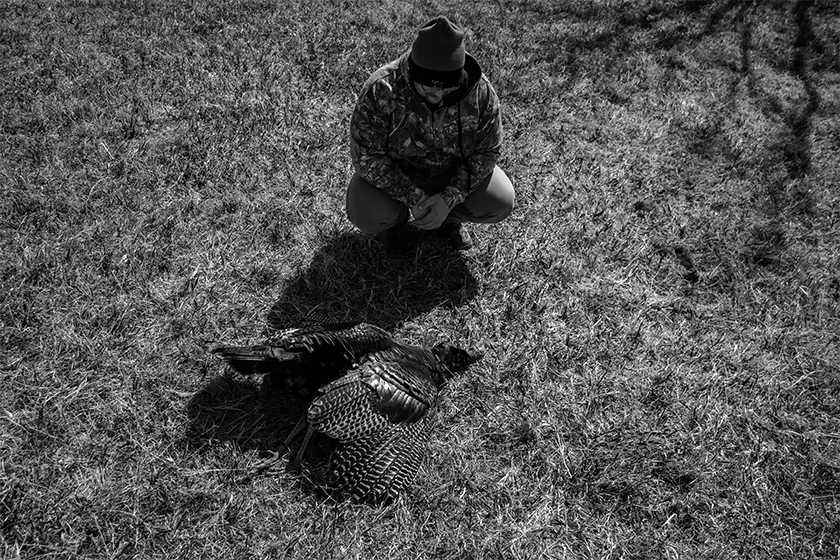
It’s a mid-April morning and the air is cool. Light hasn’t touched the trees yet and you’re on your way to lean against a tree, to wait. You hear the gobbles surround you as the first light touches your face. Your call brings in a group of toms flaring their bright blue and red heads. It’s time to take the shot.
That moment doesn’t belong to the guy who waited. It belongs to the guy who prepared.
Separate Yourself
As hunters it can be easy to get caught up in the hype of turkey hunting. We see videos and photos that make us anticipate opening morning. We all think that working a bird into shooting range is gonna happen, but rarely do our mornings look like the reels we see on Instagram. Sometimes our spot is a bust and we never even hear or see a bird. But how can this be? Turkey hunting exposes hunters faster than most seasons. It’s because they aren’t prepared. Just like any sort of hunting, preparation is what sets you apart. One hunter blames the bird, another tags out just minutes into the season.
Gear Audit
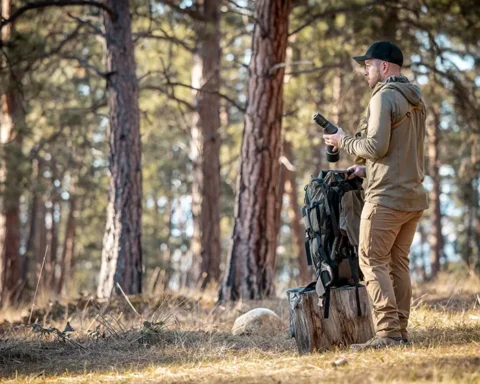
Opening morning is not for taking inventory. Don’t be the guy looking in a bin opening morning for his turkey vest only to find out his calls aren’t there and a mouse got in and cozied up to the only diaphragm call he had. Opening morning should be the day you feel the most confident in your hunt. That confidence starts with your gear.
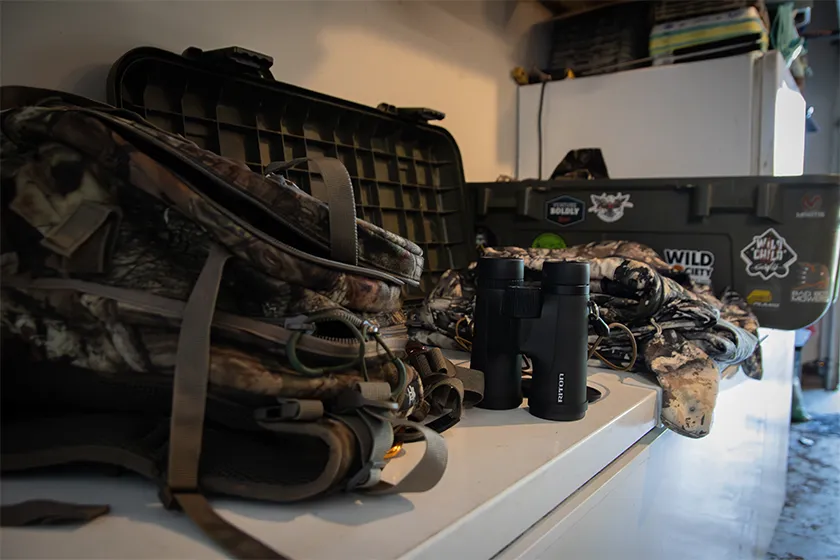
Take some time right now, about 30 days before your season opens to look at all your gear and ensure it’s in good condition. Below are a few items you may want to consider adding to your vest or making sure it’s in there for opening morning:
- Box call
- Slate call
- Diaphragm calls in a case
- Crow or owl call
- Facepaint
- Gloves
- Hats
- Ammunition
- Decoys
- Binos
By making time to go through your gear about a month before your season opens, you have time to order what’s missing, or make a trip to the store without being rushed or finding empty shelves.
Sound Like a Turkey
Bringing a bird into shooting range is hard. Bringing a bird into shooting range while not knowing how to call is harder.
Take this time before turkey season starts to get familiar with your calls and how they work. You don’t want to be learning a call in the woods when one wrong cluck can send a turkey the other direction.
Calling isn’t just noise to a bird. It’s communication. Replicating that communication is hard, it’s a form of art. But if you put in the time you can get the job done. Take some time to listen to turkeys both online and in the wild when you are hunting to find what cadence sounds natural. Too much calling will scare birds away and too little won’t bring them in.
If you sound like a turkey, you should be able to convince one to come into range.
Pattern Your Gun
The first time you fire a turkey load out of your shotgun should not be at a bird. There is way more to turkey hunting than there is shooting doves in a wheat field. With turkey loads you want a tight pattern that is accurate at distances out to 50 yards. This means you’ll need to have either a full choke in your shotgun or a choke specifically designed for turkey hunting.
To make the most of your shot on a long beard, top your shotgun with a red dot. Red dots provide you with a precise point of aim, this removes the guesswork of bead alignment when the shot matters the most. For more information on using red dots while turkey hunting read our blog on What to Consider for Turkey Red Dots.
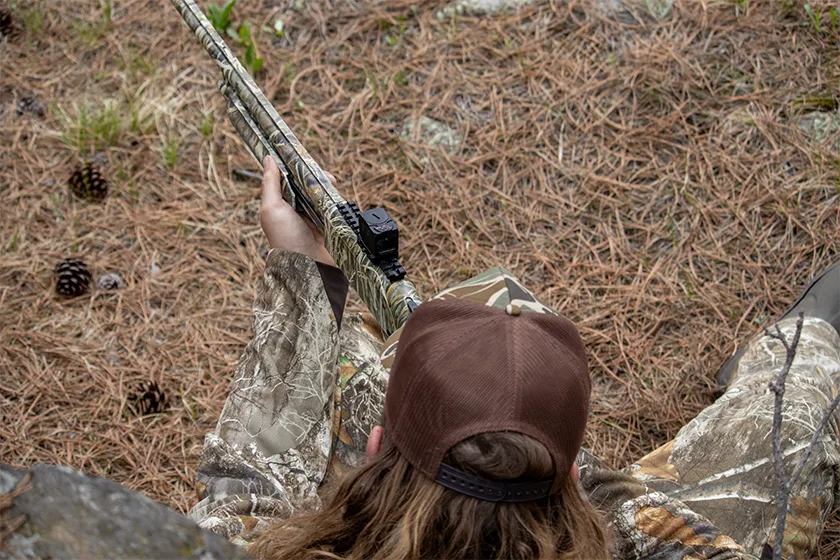
Other than adding those two advantages to your turkey gun you should test your shots at various distances. This means setting a turkey head target up and confirming your pattern from 10-50 yards and finding what distance you are comfortable taking a shot at when the opportunity presents itself on the hunt.
Like any gun, different types of ammunition affect the performance down range. Try some different shot sizes, materials, and brands to see what ammunition fits your turkey gun best. Sure it will be expensive up front, but knowing you have the best possible opportunity to fill your tag is worth the expense. After you find the load that works best, buy a lifetime supply of it and take what didn’t work for your gun over to a buddy to help them bag a bird too.
Scout for Birds
Just like any sort of hunting you’ll want to scout an area before the season. With turkeys you’ll want to scout close to season, but still before the opener. Find some birds using various calling methods and scheduling your scouting times near the ideal movement times. You can read more about how to scout for Turkeys in our blog all about Understanding Turkey Behavior.
All your time preparing to take a turkey will be no good if there are no turkeys around to hunt, so take the time it takes to find some birds before season.
Earn Your Bird
This isn’t about the reels, photos, or the latest turkey hunting gear, it’s about earning your bird before the season starts. Turkey season doesn’t reward anticipation. It rewards preparation.